Gandmool Nakshatras in Vedic Astrology
List of Gandmool Nakshatras
Gandmool Nakshatras in Vedic Astrology
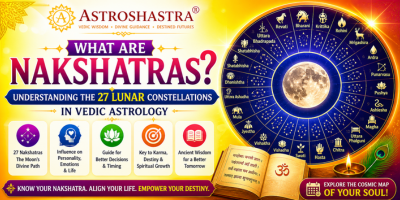
In Vedic astrology, Nakshatras or lunar constellations play a crucial role in determining the nature, destiny, and life path of an individual. Among the 27 Nakshatras, six are considered Gandmool Nakshatras, and they are believed to carry challenging karmic imprints. A person born under these Nakshatras may face hardships, unless proper remedial measures are taken.
What is Gandmool Nakshatra?
The term "Gandmool" is derived from two Sanskrit words — “Gand” meaning knot or joint, and “Mool” meaning root. Gandmool Nakshatras are those that fall at the junction of the fiery signs (Aries, Leo, Sagittarius) and watery signs (Cancer, Scorpio, Pisces). These junctions are considered energetically unstable, and births during these periods are astrologically sensitive.
Gandmool Nakshatra dosha arises when a person is born under specific Nakshatras ruled by Mercury and Ketu.
List of Gandmool Nakshatras
There are six Gandmool Nakshatras:
Ashwini (Ketu-ruled, Aries)
Ashlesha (Mercury-ruled, Cancer)
Magha (Ketu-ruled, Leo)
Jyeshtha (Mercury-ruled, Scorpio)
Moola (Ketu-ruled, Sagittarius)
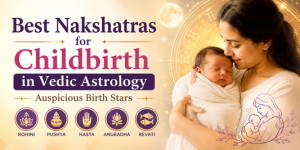
Revati (Mercury-ruled, Pisces)
If a person is born during the Moon's transit through these Nakshatras, Gandmool dosha is said to exist in the horoscope.
Effects of Gandmool Nakshatras
Gandmool births are believed to bring various types of challenges, depending on the specific Nakshatra and pada (quarter). Some commonly associated effects include:
Health issues in early childhood
Strained relationship with parents or siblings
Career instability or frequent obstacles
Emotional imbalance or anxiety
In some cases, harm to family members (if dosha is strong)
It is important to remember that these effects vary widely depending on the full birth chart.
Importance of Gandmool Dosha Shanti Puja
To reduce the malefic influence of Gandmool dosha, Gandmool Shanti Puja is traditionally performed on the 27th day after birth, when the Moon returns to the same Nakshatra. This puja involves chanting Vedic mantras, offerings to planets, and invoking protection for the child and family.
If the puja is missed after birth, it can also be performed later in life on an astrologically favorable day.
Remedies to Reduce Gandmool Dosha
In addition to Gandmool Shanti Puja, the following remedies are often recommended by astrologers:
Chanting Ketu and Mercury mantras
Feeding cows, Brahmins, or poor people on Wednesdays or Saturdays
Donating green items, sesame seeds, or blankets
Wearing gemstones or yantras (only under guidance)
Regular spiritual practices and seeking Guru's blessings