



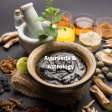





Nephritis – Causes, Symptoms, and Treatments
Ayurvedic Remedies for Nephritis – Natural Healing for Kidney Health
ephritis is a medical condition characterized by inflammation of the kidneys. It affects the kidney’s ability to filter waste from the blood, leading to various health complications. Nephritis can occur suddenly or develop gradually, and if left untreated, it can progress to chronic kidney disease. Early diagnosis and appropriate treatment are crucial in preventing long-term damage.
Causes of Nephritis
Nephritis can be caused by several underlying conditions, including:
Infections – Bacterial or viral infections that affect the kidneys.
Autoimmune Diseases – Conditions like lupus, where the immune system attacks healthy kidney tissues.
Toxins and Medications – Prolonged use of certain drugs or exposure to harmful chemicals.
Genetic Factors – Inherited disorders that impact kidney function.
Other Illnesses – High blood pressure and diabetes can also contribute to kidney inflammation.
Symptoms of Nephritis
Common symptoms of nephritis may include:
Swelling in the face, hands, or feet (edema)
Blood in urine (hematuria)
Foamy urine due to protein leakage
High blood pressure
Fatigue and weakness
Decreased urine output
These symptoms may vary depending on the type and severity of the condition.
Ayurvedic Herbs for Nephritis
Several herbs in Ayurveda are known for their kidney-protective properties:
Punarnava (Boerhavia diffusa) – Reduces swelling and supports kidney detox.
Gokshura (Tribulus terrestris) – Improves urinary health and reduces inflammation.
Varun (Crataeva nurvala) – Prevents kidney stone formation and supports kidney function.
Chandraprabha Vati – A classical Ayurvedic formulation for urinary and kidney health.
Guduchi (Tinospora cordifolia) – Boosts immunity and reduces inflammation.
Usage: These herbs can be consumed as powder, decoction, or tablets as prescribed by an Ayurvedic practitioner.
Ayurvedic Diet for Nephritis
A kidney-friendly Ayurvedic diet focuses on:
Fresh fruits like apples, papaya, and pomegranates
Easily digestible vegetables like bottle gourd, ridge gourd, and pumpkin
Avoiding excessive salt and spicy foods
Consuming warm water and herbal teas instead of cold drinks
Reducing high-protein and oily food intake to lessen kidney load
Causes of Nephritis
Nephritis can be caused by several underlying conditions, including:
Infections – Bacterial or viral infections that affect the kidneys.
Autoimmune Diseases – Conditions like lupus, where the immune system attacks healthy kidney tissues.
Toxins and Medications – Prolonged use of certain drugs or exposure to harmful chemicals.
Genetic Factors – Inherited disorders that impact kidney function.
Other Illnesses – High blood pressure and diabetes can also contribute to kidney inflammation.
Symptoms of Nephritis
Common symptoms of nephritis may include:
Swelling in the face, hands, or feet (edema)
Blood in urine (hematuria)
Foamy urine due to protein leakage
High blood pressure
Fatigue and weakness
Decreased urine output
These symptoms may vary depending on the type and severity of the condition.
Ayurvedic Herbs for Nephritis
Several herbs in Ayurveda are known for their kidney-protective properties:
Punarnava (Boerhavia diffusa) – Reduces swelling and supports kidney detox.
Gokshura (Tribulus terrestris) – Improves urinary health and reduces inflammation.
Varun (Crataeva nurvala) – Prevents kidney stone formation and supports kidney function.
Chandraprabha Vati – A classical Ayurvedic formulation for urinary and kidney health.
Guduchi (Tinospora cordifolia) – Boosts immunity and reduces inflammation.
Usage: These herbs can be consumed as powder, decoction, or tablets as prescribed by an Ayurvedic practitioner.
Ayurvedic Diet for Nephritis
A kidney-friendly Ayurvedic diet focuses on:
Fresh fruits like apples, papaya, and pomegranates
Easily digestible vegetables like bottle gourd, ridge gourd, and pumpkin
Avoiding excessive salt and spicy foods
Consuming warm water and herbal teas instead of cold drinks
Reducing high-protein and oily food intake to lessen kidney load