Vaman Puran Introduction: Gateway to Divine Wisdom
What is the Vaman Puran?
Vaman Puran Introduction: Gateway to Divine Wisdom
What is the Vaman Puran?
The Vaman Puran stands as one of the eighteen major Puranas in Hindu literature, serving as a treasure trove of spiritual wisdom and divine narratives. This sacred text primarily focuses on Lord Vishnu's Vamana avatar, weaving together profound philosophical teachings with captivating mythological stories that have guided seekers for millennia.
Named after the dwarf incarnation of Lord Vishnu, this ancient scripture contains approximately 10,000 verses distributed across various chapters. The text brilliantly combines storytelling with spiritual instruction, making complex philosophical concepts accessible to devotees from all walks of life.
Historical Significance and Composition
Scholars believe the Vaman Puran was composed between the 4th and 10th centuries CE, though its oral traditions stretch back much further into antiquity. The text reflects the rich literary tradition of ancient India, where sacred knowledge was preserved and transmitted through carefully crafted verses and narratives.
The Purana follows the traditional five-fold structure known as 'Pancha Lakshana,' covering creation (sarga), re-creation (pratisarga), genealogies of gods and sages (vamsha), cosmic cycles (manvantara), and royal dynasties (vamshanucharita). This systematic approach ensures comprehensive coverage of both spiritual and worldly knowledge.
Core Themes and Spiritual Teachings
The Vaman Puran emphasizes several fundamental principles of Hindu philosophy. Dharma, or righteous living, forms the backbone of its teachings, illustrating how individuals can navigate life's complexities while maintaining moral integrity. The text explores the concept of divine grace and how devotion can transform human consciousness.
Environmental consciousness emerges as another significant theme, with the Purana advocating respect for nature and all living beings. These teachings feel remarkably relevant in our modern context, offering timeless wisdom for contemporary challenges.
The scripture also delves into the practice of pilgrimage, describing sacred sites and their spiritual significance. These descriptions serve both as geographical guides and metaphors for the inner journey of self-realization.
The Vamana Avatar: Central Divine Narrative
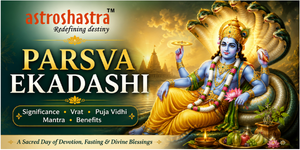
The most compelling section of the Vaman Puran recounts the story of Lord Vishnu's fifth incarnation as Vamana, the divine dwarf. This narrative teaches profound lessons about humility, cosmic justice, and the triumph of good over evil. The famous tale of Vamana's three steps, which encompassed the entire universe, symbolizes the all-pervading nature of the divine.
Through this central story, the Purana explores themes of devotion, surrender, and the ultimate victory of dharma. The character of King Bali, despite being conquered, is portrayed with dignity and respect, highlighting the text's nuanced understanding of morality and justice.