








Tuesday Astrological Remedies – Mangal, Mars & Powerful Tuesday Remedies
Discover powerful Tuesday remedies for Mars and Mangal including Hanuman Puja, Mangal Mantra, Red Coral, Three Mukhi Rud...
Read More
3 Mukhi Rudraksha, also known as Trimukhi Rudraksha or Three Mukhi Rudraksha, is traditionally associated with Agni, the sacred fire principle in Vedic tradition. In traditional Rudraksha astrology, it is associated with Mars (Mangal).
The symbolism of 3 Mukhi Rudraksha is connected with fire, purification, transformation, courage and the ability to move forward. It is therefore traditionally considered significant for people seeking greater inner discipline and freedom from past burdens.
This guide explains the traditional significance of 3 Mukhi Rudraksha, its association with Agni and Mars, traditional benefits, astrological considerations, who may choose it, how to wear it, Puja, mantra and how to identify an authentic bead.
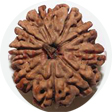
3 Mukhi Rudraksha is a Rudraksha bead traditionally identified by three natural faces or Mukhi lines. It is also known as Trimukhi Rudraksha.
Rudraksha beads are traditionally used for prayer, meditation, Japa and devotional practices. Each Mukhi is traditionally associated with particular deities, planets and spiritual principles.
The distinctive symbolism of 3 Mukhi Rudraksha is connected with the element of fire and the transformative principle represented by Agni.
The principal deity traditionally associated with 3 Mukhi Rudraksha is Agni, the sacred fire deity of Vedic tradition.
Agni represents fire, transformation, purification and the process through which offerings are carried from the human realm toward the divine in Vedic ritual.
Because of this symbolism, 3 Mukhi Rudraksha is traditionally associated with the idea of releasing old patterns and moving towards transformation.
For more information about Hindu deities and divine traditions, explore the Astroshastra Gods and Goddesses section.
In traditional Rudraksha astrology, 3 Mukhi Rudraksha is associated with Mars or Mangal.
Mars represents courage, initiative, physical energy, determination, competition and the ability to take decisive action in Vedic astrology.
This planetary association gives 3 Mukhi Rudraksha a traditional connection with themes of action, courage and overcoming hesitation.
Learn more about Mars and the other planets through: Planets in Astrology .
For the traditional relationship between Rudraksha and planets, visit: Rudraksha According to Planets .
The central symbolism of 3 Mukhi Rudraksha is transformation through fire. Fire traditionally consumes, transforms and purifies, making Agni an important symbol in Vedic spiritual traditions.
For this reason, 3 Mukhi Rudraksha is often discussed in relation to letting go of past experiences, developing courage and beginning a new phase with greater determination.
Some practitioners also associate it with freedom from excessive guilt, regret or attachment to the past.
These are traditional spiritual and astrological associations and should not be understood as scientifically established medical effects.
Traditional Rudraksha practices describe several qualities associated with 3 Mukhi Rudraksha. These should be understood within their spiritual and astrological context.
3 Mukhi Rudraksha may appeal to people interested in spiritual practice, meditation, devotional traditions and the symbolism of Agni.
It may also be considered by those exploring traditional Rudraksha astrology when Mars is an important factor in the horoscope.
People beginning a new phase of life or seeking a symbolic reminder of transformation may also find the traditional meaning of 3 Mukhi Rudraksha significant.
For personalised astrological selection, however, the complete horoscope should be considered rather than relying only on the zodiac sign.
Because 3 Mukhi Rudraksha is traditionally associated with Mars, its astrological symbolism is connected with Aries (Mesha) and Scorpio (Vrishchika), the two zodiac signs traditionally ruled by Mars in Vedic astrology.
This does not mean that only Aries or Scorpio natives can wear 3 Mukhi Rudraksha. A complete horoscope may provide a more meaningful basis for an astrological recommendation.
Explore the twelve zodiac signs: Sunsigns in Astrology .
Mars traditionally rules two Nakshatras in Vedic astrology: Mrigashira, Chitra and Dhanishta.
When a Nakshatra-based Rudraksha system is followed, Mars-ruled Nakshatras may therefore be considered in relation to 3 Mukhi Rudraksha.
Nakshatra-based recommendations can vary between different traditional systems, so the complete birth details should be considered when making a personalised recommendation.
Learn about the 27 Nakshatras: Nakshatras in Astrology .
Also explore: Rudraksha According to Nakshatra .
In Vedic astrology, Mars represents courage, initiative, competition, assertiveness and the ability to act. Its placement in the horoscope helps determine the areas of life in which these qualities may become prominent.
The house occupied by Mars and its relationship with other planets can be considered when assessing whether a Mars-associated Rudraksha is appropriate.
Learn more: Houses in Horoscope .
The fire symbolism of 3 Mukhi Rudraksha makes transformation one of its most important traditional themes.
Fire transforms one substance into another. In spiritual symbolism, this can represent the process of leaving behind unhelpful patterns and developing a more purposeful approach to life.
For practitioners, the bead may therefore serve as a symbolic reminder of discipline, courage and personal transformation.
Mars is traditionally associated with courage, initiative and assertive action. Consequently, 3 Mukhi Rudraksha is sometimes selected by people who want a spiritual symbol connected with these qualities.
The traditional approach is not to regard the bead as an instant source of confidence, but rather as an aid to devotional practice, meditation and personal intention.
Authenticity is an important consideration when purchasing 3 Mukhi Rudraksha. The three Mukhi lines should be naturally formed rather than artificially carved.
No single traditional home test should be treated as absolute proof of authenticity.
Read our: Rudraksha Purity and Authenticity Guide .
3 Mukhi Rudraksha may traditionally be worn as a pendant, incorporated into a Mala or used in a suitable bracelet.
Some practitioners prefer to cleanse the bead and perform prayer or mantra recitation before beginning to wear it.
Because 3 Mukhi Rudraksha is associated with Agni and Mars, some traditions also consider Tuesday meaningful for Mars-related worship.
The exact practice can vary according to family tradition or spiritual lineage.
For general guidance: Rules for Wearing Rudraksha .
Traditional Rudraksha Puja may include cleansing the bead, offering water or other devotional offerings, reciting prayers and performing mantra Japa.
The exact procedure varies according to the tradition being followed.
For a detailed guide: Rudraksha Puja and Mantras .
The mantra traditionally given for 3 Mukhi Rudraksha on Astroshastra is:
This is the Mukhi-specific mantra associated with 3 Mukhi Rudraksha in our Rudraksha guidance. It may be chanted with devotion and concentration while wearing or worshipping the Rudraksha.
For general Rudraksha practice, Astroshastra also describes Om Namah Shivaya as the Universal Rudraksha Mantra and Om Hreem Namah as the Rudraksha Beej Mantra.
Traditional guidance recommends chanting with a calm and focused mind rather than simply repeating the mantra mechanically.
Mars-related mantra practices may also be followed according to traditional astrological systems. If you have received mantra initiation from a spiritual teacher, follow the mantra prescribed within that tradition.
Mars is traditionally associated with Red Coral in Vedic gemstone astrology. Because 3 Mukhi Rudraksha is also traditionally associated with Mars, some practitioners may consider the two together.
However, gemstone suitability is horoscope-specific. Red Coral should not be recommended solely because a person wants to wear 3 Mukhi Rudraksha.
Explore: Astroshastra Gemstone Collection .
A 3 Mukhi Rudraksha can be worn as a pendant for those who prefer a neck-worn form of Rudraksha.
Astroshastra offers different Rudraksha pendant designs and traditional settings.
Explore: Rudraksha Pendants .
3 Mukhi Rudraksha can also be incorporated into Mala designs. A Mala may be used for Japa, meditation or devotional wearing depending on its design.
Explore: Rudraksha Mala .
A 3 Mukhi Rudraksha can also be used in bracelet designs, providing a compact wrist-worn form of Rudraksha.
Explore: Rudraksha Bracelets .
| Aspect | Traditional Association |
|---|---|
| Rudraksha | 3 Mukhi / Trimukhi |
| Deity | Agni |
| Planet | Mars / Mangal |
| Zodiac Association | Aries and Scorpio |
| Mars-ruled Nakshatras | Mrigashira, Chitra and Dhanishta |
| Primary Symbolism | Fire, purification, transformation and courage |
| Common Traditional Uses | Meditation, prayer, Japa and devotional wearing |
When choosing 3 Mukhi Rudraksha, authenticity and natural formation should take priority over size or appearance alone.
3 Mukhi Rudraksha is one of the traditional Mukhi classifications of Rudraksha. Every Mukhi has its own traditional associations and symbolism.
If you are comparing 3 Mukhi with other Rudraksha beads, begin with our complete: Rudraksha Beads Guide .
Explore 3 Mukhi Rudraksha and related traditional Rudraksha products at Astroshastra.
Explore 3 Mukhi Rudraksha3 Mukhi Rudraksha, also known as Trimukhi Rudraksha, is traditionally identified by three natural faces or Mukhi and is associated with Agni.
3 Mukhi Rudraksha is traditionally associated with Agni, the sacred fire principle in Vedic tradition.
In traditional Rudraksha astrology, 3 Mukhi Rudraksha is associated with Mars or Mangal.
Because of its traditional Mars association, 3 Mukhi Rudraksha is connected with Aries and Scorpio, the two zodiac signs traditionally ruled by Mars.
Traditional practices associate 3 Mukhi Rudraksha with purification, transformation, courage, determination and the symbolism of Agni.
Devotees, spiritual practitioners and people interested in traditional Rudraksha astrology may choose 3 Mukhi Rudraksha. Personalised astrological selection should consider the complete horoscope.
Om Namah Shivaya is a widely used Shiva mantra. Specific mantras associated with 3 Mukhi Rudraksha can vary according to spiritual tradition.
Some traditional practices consider Tuesday meaningful for Mars-related worship. The exact wearing practice varies according to tradition.
Some traditional astrological practices consider combining Mars-associated Rudraksha with Red Coral. However, gemstone suitability should ideally be assessed from the individual's complete horoscope.
The natural three-Mukhi formation and physical characteristics of the bead should be examined. For rare or expensive beads, professional authentication is recommended.
No. Rudraksha is traditionally used for spiritual, devotional and astrological purposes and should not be considered a substitute for medical diagnosis or treatment.
Discover 3 Mukhi Rudraksha beads available in different sizes at Astroshastra.
VIEW 3 MUKHI COLLECTION
Discover powerful Tuesday remedies for Mars and Mangal including Hanuman Puja, Mangal Mantra, Red Coral, Three Mukhi Rud...
Read More
Explore planetary changes in October 2026, including Venus retrograde, Sun and Mercury transits, Jupiter's entry into Le...
Read More.png)
Discover the benefits of Lakshmi Ganesh Yantra, its spiritual significance, puja vidhi, placement rules, and how to wors...
Read More
Discover how numerology consultation can help you understand your personality, career, relationships, business prospects...
Read More
Discover how your birth Nakshatra influences luck, fortune, career, wealth, relationships and opportunities. Learn the r...
Read More
Discover the significance of Anant Chaturdashi, its Vrat and Puja Vidhi, Anant Sutra tradition, Lord Vishnu Mantra, ritu...
Read More