Griha Pravesh Muhurat & Auspicious Time for Entering a New Home
Discover the traditional Vastu and Jyotisha principles used for selecting an auspicious time for Griha Pravesh, performing Vastu Shanti and entering a newly constructed or newly acquired home.
What is Griha Pravesh?
Griha Pravesh, also known as Greh Pravesh, is the traditional ceremony performed before a family begins permanent residence in a new home. In Vastu Shastra and traditional Jyotisha, the timing of this first entry is considered an important Muhurta because the beginning of residence is associated with the energetic and spiritual atmosphere of the home.
A properly selected Griha Pravesh Muhurta is traditionally combined with Vastu worship, prayers, purification rituals, Havan and other auspicious ceremonies. The objective is to begin life in the new residence with an atmosphere of peace, harmony, prosperity and spiritual wellbeing.
Astroshastra's Griha Pravesh guide brings together traditional principles relating to auspicious days, Tithis, Nakshatras, Ascendant, planetary strength and Vastu considerations.
Why Griha Pravesh Muhurta Matters
- Selects an auspicious beginning for residence in the home.
- Integrates Vastu principles with traditional Muhurta.
- Provides a framework for Vastu Shanti and purification.
- Considers Tithi, Nakshatra, weekday and planetary factors.
- Helps the family begin residence with a positive spiritual intention.
Griha Pravesh Puja & Vastu Shanti
Traditional Griha Pravesh is more than simply entering a house. It is a ceremonial beginning that combines worship, purification, Vastu principles and prayers for the wellbeing of the occupants.
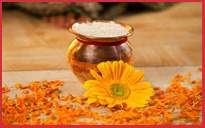
After construction and decoration of the house are complete, the traditional Griha Pravesh ceremony is performed before the family begins permanent residence. Traditional Vastu practice gives importance to purification of the premises, worship of Vastu Devata and prayers for the welfare of the household.
The traditional procedure described in classical Vastu practice includes preparation and worship of the Vastu Chakra, worship of Brahma Sthana, offering auspicious substances such as Kumkum, rice, curd, ghee, flowers, Gangajal and sweets, along with prayers and appropriate ceremonial offerings.
The house should preferably be sufficiently complete before Griha Pravesh. Traditional guidance specifically emphasizes that entry should not be performed in an incomplete house, particularly where essential elements such as the roof or main door are unfinished.
The ceremony is traditionally intended to create an auspicious environment and to establish harmony among the fundamental elements represented by earth, water, fire, air and space.
Auspicious Factors for Griha Pravesh
Traditional Griha Pravesh Muhurta considers several factors together rather than relying on a single weekday or Nakshatra.
Auspicious Weekdays
The traditional guidance on this page identifies Monday, Wednesday, Thursday and Friday as benefic weekdays for entering a new house.
Benefic Tithis
The traditional list identifies the following Tithis of the bright half as benefic: 2, 3, 5, 7, 10, 11 and 13.
Benefic Nakshatras
The traditional Nakshatra list includes Rohini, Mrigashirsha, Uttara Phalguni, Chitra, Anuradha, Uttara Ashadha, Uttara Bhadrapada and Revati.
Birth Star Consideration
Traditional guidance also considers the relationship between the Nakshatra at the time of Griha Pravesh and the owner's birth Nakshatra. The source guidance states that the star should synchronize appropriately with the owner's birth star.
Benefic Sun, Door Direction & Tithi Combinations
The traditional material on this page also provides combinations involving the Sun's house from the Ascendant, the main-door direction and the Tithi.
| House Occupied by Sun from Ascendant | Main Door Direction | Tithi |
|---|---|---|
| 5, 6, 7, 8, 9 | South | 1, 6, 11 |
| 2, 3, 4, 5, 6 | West | 2, 7, 12 |
| 11, 12, 1, 2, 3 | North | 3, 8, 13 |
| 8, 9, 10, 11, 12 | East | 5, 10, 15 |
Benefic Ascendant and Planetary Considerations
The traditional Griha Pravesh guidelines on this page also examine the Ascendant, Navamsa and placement of benefic planets.
Benefic Ascendant
- The Ascendant should preferably fall in the 2nd, 5th, 8th or 11th sign according to the traditional guidance.
- Benefic planetary influence on the Ascendant is considered desirable.
- Jupiter or Venus should have a benefic relationship with the Ascendant and Ascendant Lord.
Benefic Navamsa
The traditional guidance recommends consideration of the Navamsa as well, with preference for the 2nd, 5th, 8th or 11th signs and beneficial planetary influence.
Jupiter
Jupiter is traditionally given importance in Griha Pravesh Muhurta. The source guidance recommends a strong and beneficial Jupiter, including placement in its own sign or Cancer, or a suitable aspect upon the Ascendant or fourth house.
Moon
A strong Moon is traditionally considered desirable. The source guidance advises avoiding an unfavourably placed or weak Moon in specified houses while selecting the Muhurta.
Kalash Chakra in Griha Pravesh
Traditional Muhurta literature uses Nakshatra-based calculations such as Kalash Chakra to classify portions of the star cycle as favourable or unfavourable.
Star Count from Sun to Moon
- The first 5 stars are traditionally treated as malefic.
- The next 8 stars are treated as benefic.
- The following 8 stars are treated as malefic.
- The final 6 stars are treated as benefic.
Kumbha Chakra
- First 1 star – Malefic
- Next 4 stars – Malefic
- Next 4 stars – Benefic
- Next 4 stars – Benefic
- Next 4 stars – Malefic
- Next 4 stars – Malefic
- Next 3 stars – Benefic
- Last 3 stars – Benefic
Traditional Griha Pravesh Puja Sequence
The exact ritual sequence may vary according to family tradition, region and the guidance of the priest performing the ceremony.
Select Muhurta
Choose an appropriate date and time after considering weekday, Tithi, Nakshatra and relevant Muhurta factors.
Purify the Home
Clean and prepare the premises and arrange the required puja materials before the ceremony.
Vastu Puja
Perform Vastu worship, prayers and the prescribed purification rituals for the residence.
Enter the Home
Enter the residence during the selected Muhurta and complete the traditional concluding rituals.
Things to Prepare Before Griha Pravesh
Prepare the house and ceremony in advance so that the selected Muhurta can be observed without unnecessary interruptions.
When Should Griha Pravesh Be Avoided?
The traditional material associated with this page lists several circumstances in which Griha Pravesh should be reconsidered or avoided.
Important Traditional Considerations
The source guidance advises avoiding Griha Pravesh in an incomplete house, during specified unfavourable lunar conditions, around eclipses, and under certain unfavourable planetary combinations. It also discusses considerations involving the owner's Ascendant, Moon, Jupiter, Venus and the synchronization of the Nakshatra of entry with the main-door direction and the owner's birth star.
These rules should be treated as traditional Muhurta considerations rather than a substitute for a complete individualized Muhurta calculation.
Why a Personalized Griha Pravesh Muhurta Can Be Better
A general list of auspicious days is useful as a starting point, but a personalized Muhurta can take the specific circumstances of the occupants and property into consideration.
Owner's Birth Details
Traditional Muhurta selection may consider the owner's birth Nakshatra and horoscope along with the proposed date and time of entry.
Property Direction
The direction of the main entrance and the configuration of the property can be considered while assessing the suitability of the ceremony.
Planetary Conditions
Ascendant, Moon, Jupiter, Venus and other planetary considerations form part of traditional Muhurta analysis.
Exact Entry Time
The final Muhurta is not simply a date. The exact time window can be important when a traditional Muhurta is being selected.
Explore More Vastu & Muhurta Resources
Continue exploring Astroshastra's Vastu resources for construction, property selection, home planning, health, finances, offices and traditional Vastu remedies.
Need Help Selecting Your Griha Pravesh Muhurta?
Choosing an auspicious Griha Pravesh time can involve more than selecting a generally favourable date. Astroshastra can help you understand traditional Vastu and Muhurta considerations for your home and circumstances.
Consult for Vastu GuidanceGriha Pravesh Muhurat FAQs
What is Griha Pravesh?
Griha Pravesh is the traditional ceremony performed when entering a new home for permanent residence. It is generally accompanied by prayers, Vastu worship and purification rituals.
Which days are traditionally considered auspicious for Griha Pravesh?
The traditional guidance on this page identifies Monday, Wednesday, Thursday and Friday as benefic weekdays for entering a new house.
Which Nakshatras are traditionally considered favourable for Griha Pravesh?
The traditional list includes Rohini, Mrigashirsha, Uttara Phalguni, Chitra, Anuradha, Uttara Ashadha, Uttara Bhadrapada and Revati.
Can Griha Pravesh be performed in an incomplete house?
Traditional Vastu guidance advises that Griha Pravesh should not be performed in an incomplete house and gives particular importance to essential elements such as the roof and main door being complete.
Is Griha Pravesh Muhurta based only on the Nakshatra?
No. Traditional Muhurta selection can consider weekday, Tithi, Nakshatra, Ascendant, planetary strength, Moon, Jupiter, Venus and other relevant factors.
Why should the owner's birth Nakshatra be considered?
Traditional Muhurta practice may compare the Nakshatra at the time of entry with the owner's birth Nakshatra to assess whether the selected time is appropriately synchronized.
Is a general Griha Pravesh date suitable for everyone?
A general auspicious date can serve as a starting point, but a personalized Muhurta may take the owner's birth details, property direction and exact time into consideration.
What is performed during Griha Pravesh Puja?
Traditional ceremonies may include Vastu Puja, Vastu Shanti, Kalash-related rituals, prayers, offerings, Havan and purification practices. The exact procedure can vary according to family and regional tradition.