Benefits of Yantras
Vedic Yantra Benefits, Uses, Significance & Spiritual Purpose
Explore the traditional significance of Yantras and understand how these sacred geometric designs are used in worship, meditation, prayer and spiritual practices.

What Are Yantras?
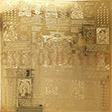
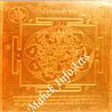
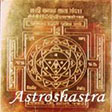
Yantras are sacred geometric designs used in several Indian spiritual and devotional traditions. They are traditionally created using specific geometric patterns, shapes, numbers, symbols and proportions and are associated with particular deities, mantras or spiritual purposes.
The word Yantra is traditionally connected with an instrument, support or means of focusing the mind and spiritual energy. In devotional practice, a Yantra may be worshipped, meditated upon or placed in a sacred space as a visual representation of a particular divine principle.
Different Yantras have different traditional purposes. Some are associated with prosperity and abundance, while others are traditionally connected with protection, knowledge, health, success, planetary influences, harmony or spiritual development.
In traditional practice, a Yantra is treated as a sacred spiritual symbol rather than merely an ornamental design. Its significance comes from the combination of geometry, mantra, deity association, intention, worship and meditation.
Benefits of Vedic Yantras
The benefits attributed to Yantras arise from traditional spiritual and cultural beliefs. Their use may differ according to the particular Yantra, deity, mantra and tradition being followed.
Some of the commonly associated spiritual purposes and benefits of Yantra worship include the following:
Focus & Concentration
A Yantra can serve as a visual object of concentration during meditation and prayer, helping practitioners maintain attention on a particular spiritual symbol or intention.
Meditation & Inner Peace
Contemplating sacred geometric patterns is traditionally used as part of meditation and spiritual practice, encouraging stillness, reflection and inner awareness.
Spiritual Growth
Regular devotional practice involving Yantras may support a person's spiritual discipline, prayer practice and deeper connection with their chosen spiritual tradition.
Prosperity & Abundance
Certain Yantras are traditionally associated with Lakshmi, Kubera and other forms of abundance and prosperity and are worshipped with these intentions.
Protection
Certain protective Yantras are traditionally worshipped as spiritual symbols intended to support a sense of security, courage and positive energy.
Positive Environment
Yantras placed in a prayer room, home or workplace may serve as a sacred reminder of positive intentions, prayer and spiritual discipline.
How Do Yantras Work in Traditional Practice?
In traditional spiritual practice, a Yantra is not considered separately from the worship surrounding it. Geometry, mantra, meditation, deity worship, intention and ritual practice may all form part of the traditional approach.
A practitioner may concentrate on the geometric design while reciting a relevant mantra or prayer. The Yantra therefore becomes a visual focus for devotional attention.
Different traditions may prescribe different methods of installation, energization, worship and meditation. Therefore, the appropriate practice may depend on the particular Yantra and the tradition being followed.
Different Types of Yantras and Their Traditional Purposes
There is no single Yantra for every purpose. Different Yantras are traditionally associated with different deities, planets, spiritual objectives and forms of worship.
Prosperity Yantras
Yantras such as Shree Yantra, Mahalakshmi Yantra and Kubera Yantra are traditionally associated with prosperity, abundance and financial well-being.
Protection Yantras
Certain Yantras associated with protective deities are traditionally worshipped for courage, spiritual protection and relief from adverse influences.
Planetary Yantras
Navgraha and individual planetary Yantras are traditionally used as part of spiritual practices connected with planetary influences.
Education & Knowledge Yantras
Saraswati Yantra and related sacred symbols are traditionally associated with knowledge, learning, wisdom and intellectual development.
Success & Achievement Yantras
Certain Yantras are traditionally worshipped for removing perceived obstacles and supporting determination, accomplishment and positive progress.
Vastu Yantras
Vastu Yantras are traditionally used as part of spiritual practices intended to promote harmony and balance within a space.
Benefits of Yantras for Meditation
One of the important traditional uses of a Yantra is meditation. The structured geometric design gives the mind a specific visual point on which to rest attention.
During meditation, a practitioner may observe the central point, geometric patterns and surrounding shapes while gradually reducing distractions. Combined with appropriate mantra chanting, this can become part of a disciplined spiritual practice.
The experience of meditation naturally differs from person to person. The spiritual value of the practice depends on personal faith, discipline and the tradition being followed.
How to Worship a Yantra
The method of worship depends on the specific Yantra and spiritual tradition. A simple devotional practice may include keeping the Yantra in a clean and respectful place and offering prayers with sincerity.
Depending on the tradition, worship may include flowers, incense, a lamp, water, devotional offerings and the recitation of relevant mantras.
More elaborate Yantra rituals may involve specific procedures for purification, installation, energization and mantra chanting. Those practices are best followed according to appropriate traditional guidance.
Where Should a Yantra Be Placed?
A Yantra is traditionally placed in a clean and respectful location. Depending on its purpose, it may be kept in a home temple, Puja room, meditation area, office, shop or other suitable space.
Some Yantras have specific traditional placement guidelines. Therefore, the recommended direction or location may vary according to the individual Yantra and the purpose of its installation.
What Is Yantra Energization?
Yantra energization refers to traditional rituals performed before or during the installation of a Yantra. These practices may include purification, mantra chanting, invocation and devotional offerings.
The purpose is traditionally understood as preparing the Yantra for worship and establishing it within a spiritual practice.
Energization practices vary considerably across traditions, so the appropriate method depends on the Yantra and the spiritual lineage being followed.
How to Choose the Right Yantra?
The right Yantra depends primarily on the purpose for which it is being considered. A person seeking a particular devotional focus may choose a Yantra associated with that deity, planet or spiritual intention.
For personalized astrological purposes, the choice may also depend on the individual's horoscope and the astrological tradition being followed.
It is therefore advisable to understand the traditional purpose of a Yantra before purchasing or installing one.
Yantras as Part of a Spiritual Lifestyle
A Yantra can become a meaningful part of a regular spiritual routine when it is approached with respect and consistency. Prayer, meditation, mantra chanting and positive intention can be incorporated into daily practice according to personal belief.
The greatest value of Yantra worship for many practitioners lies not simply in possessing the symbol, but in developing greater discipline, devotion, concentration and awareness through regular spiritual practice.
Explore the World of Vedic Yantras
Discover different Yantras and learn about their traditional purposes, spiritual significance and methods of worship. Explore the Astroshastra collection to find Yantras associated with prosperity, protection, knowledge, planetary worship, Vastu and spiritual growth.
Frequently Asked Questions About Yantras
What are the benefits of Yantras?
According to traditional spiritual beliefs, Yantras may be used for meditation, concentration, prayer, spiritual growth, prosperity, protection, harmony and other specific devotional purposes depending on the Yantra.
What is a Vedic Yantra?
A Vedic Yantra is a sacred geometric design traditionally used in Indian spiritual and devotional practices. Different Yantras are associated with different deities, mantras, planets and spiritual intentions.
Can Yantras help with meditation?
Yes. Traditionally, Yantras are used as visual objects of concentration during meditation and prayer. Their geometric structure provides a specific point on which the practitioner can focus attention.
Can Yantras be kept at home?
Yes. Yantras may traditionally be kept in a clean and respectful location such as a home temple, Puja room or meditation area.
Which Yantra is associated with prosperity?
Shree Yantra, Mahalakshmi Yantra and Kubera Yantra are traditionally associated with prosperity and abundance. The appropriate Yantra depends on the individual's spiritual or astrological purpose.
Which Yantra is used for protection?
Several Yantras are traditionally associated with protection, depending on the deity and purpose of the Yantra. The choice should be based on the intended devotional or spiritual practice.
Does every Yantra have the same benefits?
No. Different Yantras have different traditional associations. Some are connected with prosperity, others with protection, knowledge, planetary worship, Vastu, success or spiritual development.
Should a Yantra be energized before worship?
Traditional practices may recommend purification and energization for certain Yantras. The exact procedure depends on the specific Yantra and the spiritual tradition being followed.
यंत्रों के लाभ और महत्व
यंत्र पवित्र ज्यामितीय आकृतियां हैं जिनका उपयोग भारतीय आध्यात्मिक और धार्मिक परंपराओं में पूजा, ध्यान और साधना के लिए किया जाता है। विभिन्न यंत्रों का संबंध अलग-अलग देवी-देवताओं, ग्रहों, मंत्रों और आध्यात्मिक उद्देश्यों से माना जाता है।
परंपरागत मान्यता के अनुसार यंत्र मन को एकाग्र करने, ध्यान में सहायता करने और आध्यात्मिक साधना को नियमित बनाने में उपयोगी हो सकते हैं। कुछ यंत्र समृद्धि, सुरक्षा, ज्ञान, सफलता, शांति, वास्तु संतुलन और आध्यात्मिक विकास से जुड़े माने जाते हैं।
यंत्रों की पूजा में श्रद्धा, मंत्र जाप, ध्यान, दीपक, धूप, पुष्प और अन्य पारंपरिक पूजा विधियों का उपयोग किया जा सकता है। प्रत्येक यंत्र की पूजा और स्थापना की विधि अलग हो सकती है।
यंत्र को केवल सजावटी वस्तु के रूप में देखने के बजाय भारतीय आध्यात्मिक परंपरा में इसे ध्यान, प्रार्थना और सकारात्मक संकल्प के साधन के रूप में देखा जाता है।
यंत्रों से जुड़े लाभ पारंपरिक धार्मिक और आध्यात्मिक मान्यताओं पर आधारित हैं। व्यक्ति के अनुभव उसकी श्रद्धा, साधना, परिस्थितियों और व्यक्तिगत विश्वास के अनुसार अलग-अलग हो सकते हैं।