
Things You Should Avoid During Shravan Maas | Important Dos and Don'ts in Sawan
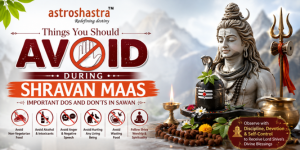
Dedicated to Lord Shiva, this sacred period is considered highly auspicious for worship, fasting, meditation, Rudrabhishek, chanting the Mahamrityunjaya Mantra, and performing acts of charity.
While devotees focus on prayers and rituals, following certain disciplines and avoiding specific actions is equally important. These traditional practices are believed to purify the mind, strengthen devotion, and help devotees receive the divine blessings of Lord Shiva.
Let us explore the important things that should be avoided during Shravan Maas.
1. Avoid Consuming Non-Vegetarian Food
One of the most widely followed traditions during Shravan is abstaining from meat, fish, and eggs.
A sattvic (pure vegetarian) diet promotes:
- Mental peace
- Spiritual purity
- Better concentration during prayers
- Positive energy
Fresh fruits, milk, curd, vegetables, and simple home-cooked meals are generally preferred.
2. Avoid Alcohol and Intoxicants
Shravan is a month dedicated to self-control and spiritual discipline.
Devotees should avoid:
- Alcohol
- Tobacco
- Smoking
- Recreational intoxicants
These are believed to disturb mental clarity and reduce spiritual focus during this sacred month.
3. Avoid Anger and Negative Speech
Lord Shiva represents peace, compassion, and inner balance.
During Shravan, devotees should consciously avoid:
- Arguments
- Harsh language
- Gossip
- Criticism
- Speaking lies
Maintaining calmness and kindness is considered an important form of worship.
4. Avoid Hurting Any Living Being
Compassion is one of the highest virtues in Hinduism.
During Shravan Maas, devotees are encouraged to:
- Avoid violence
- Protect animals
- Feed birds and cows
- Help those in need
Acts of kindness are believed to earn Lord Shiva's blessings.
5. Avoid Breaking Your Fast Without Reason
Many devotees observe Monday fasts (Somvar Vrat) throughout Shravan.
If you have undertaken a vrat:
- Follow it sincerely.
- Break it only according to the prescribed rituals.
- If health conditions prevent fasting, consult your family traditions or a qualified priest for suitable alternatives.
The intention behind the fast is considered as important as the ritual itself.
6. Avoid Ego and Pride
Shravan teaches humility.
Devotees are encouraged to avoid:
- Showing off charitable acts
- Looking down on others
- Spiritual arrogance
- Pride over fasting or rituals
Lord Shiva is known as Bholenath, who values sincere devotion over external display.
7. Avoid Cutting Down Trees or Damaging Nature
Shravan coincides with the monsoon season, symbolizing renewal and growth.
Traditionally, unnecessary destruction of nature is discouraged.
Instead:
- Plant trees.
- Protect water sources.
- Care for the environment.
Respecting nature is considered a way of honoring Lord Shiva, who is closely associated with mountains, forests, rivers, and wildlife.
8. Avoid Missing Daily Shiva Worship
Even if you cannot perform elaborate rituals, avoid neglecting daily remembrance of Lord Shiva.
Simple practices include:
- Chanting "Om Namah Shivaya"
- Offering water to a Shiva Linga
- Lighting a diya
- Reading Shiva Chalisa
- Listening to Shiva bhajans
Consistency in devotion is considered more valuable than elaborate rituals performed occasionally.
9. Avoid Wasting Food
Food is regarded as a divine blessing.
During Shravan:
- Prepare only what is needed.
- Share excess food.
- Feed the poor, animals, or birds.
Offering food to those in need is considered a highly meritorious act.
10. Avoid Ignoring Parents, Teachers, and Elders
Respecting elders is an important aspect of dharma.
Seeking blessings from:
- Parents
- Teachers
- Gurus
- Elders
is believed to enhance the spiritual benefits of worship during Shravan.
11. Avoid Wearing Leather During Worship
Many devotees refrain from using leather belts, wallets, shoes, or accessories while performing Shiva Puja.
Although practices vary by family and tradition, wearing clean and modest clothing during worship is generally encouraged.
12. Avoid Laziness in Spiritual Practice
Shravan offers an opportunity for inner growth.
Avoid postponing:
- Morning prayers
- Temple visits
- Mantra chanting
- Meditation
- Reading sacred scriptures
Even a few minutes of sincere devotion each day can make the month spiritually meaningful.
Spiritual Practices to Follow During Shravan
Instead of focusing only on restrictions, devote your energy to positive actions:
- Chant Om Namah Shivaya daily.
- Perform Abhishek of the Shiva Linga with water or milk, according to your tradition.
- Observe Shravan Somvar Vrat if your health permits.
- Read Shiva Purana or Shiva Chalisa.
- Donate food, clothes, or essentials to those in need.
- Visit Shiva temples.
- Practice meditation and self-discipline.
- Spend time in prayer and self-reflection.
The Spiritual Significance of These Practices
The disciplines observed during Shravan Maas are intended to cultivate:
- Self-control
- Purity of thought
- Compassion
- Gratitude
- Devotion
- Inner peace
While customs may differ across regions and families, the underlying purpose remains the same: strengthening one's connection with Lord Shiva through sincerity, discipline, and righteous conduct.
Shravan Maas is much more than a month of fasting. It is a sacred opportunity to purify the mind, cultivate positive habits, and deepen devotion to Lord Shiva. By avoiding harmful actions, practicing kindness, maintaining self-discipline, and engaging in sincere worship, devotees can make the most of this spiritually significant period.
Whether you observe elaborate rituals or simple daily prayers, genuine faith, humility, and compassion are considered the true offerings that please Lord Shiva.
Frequently Asked Questions (FAQs)
1. Why should we avoid non-vegetarian food during Shravan Maas?
Many devotees choose a vegetarian diet during Shravan to maintain purity, support spiritual discipline, and align with traditional practices dedicated to Lord Shiva.
2. Is it compulsory to fast during Shravan?
No. Fasting is a personal spiritual practice. Those who cannot fast due to health or other valid reasons may worship Lord Shiva through prayers, mantra chanting, charity, or other devotional acts.
3. Can we visit Shiva temples every day during Shravan?
Yes. Visiting Shiva temples during Shravan, especially on Mondays, is considered highly auspicious.
4. Can women worship Lord Shiva during Shravan?
Yes. Women, men, and children can all worship Lord Shiva during Shravan according to their family traditions and personal faith.
5. What is the most powerful mantra to chant during Shravan?
The Panchakshari Mantra, "Om Namah Shivaya," is one of the most revered mantras dedicated to Lord Shiva and is widely chanted throughout Shravan Maas.