
Ketu Yantra for Spiritual Growth, Ketu Dosh & Divine Protection
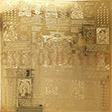
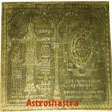
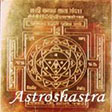
The Ketu Yantra is a sacred Vedic Yantra dedicated to Ketu, one of the lunar nodes in Vedic astrology. Ketu is traditionally associated with spiritual growth, detachment, intuition, karmic lessons, liberation and higher consciousness. Devotees worship the Ketu Yantra as part of traditional spiritual and astrological practices intended to cultivate clarity, inner balance, wisdom and spiritual awareness.
What is Ketu Yantra?
The Ketu Yantra is a sacred geometric representation associated with the planetary energies of Ketu. In Vedic astrology, Ketu is regarded as the South Lunar Node and is traditionally connected with detachment, introspection, intuition, past-life karma, spiritual learning and the pursuit of liberation.
Ketu can represent profound spiritual insight when favorably placed, while challenging Ketu influences are traditionally associated with confusion, sudden changes, detachment, uncertainty and unexpected obstacles. The Ketu Yantra is therefore worshipped by devotees seeking spiritual support and harmony with Ketu's symbolic energies.
Ketu Yantra Product Details

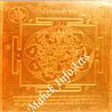
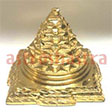
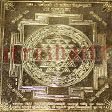
Astroshastra's Ketu Yantra is available as a traditional sacred worship article for devotees who wish to establish a dedicated space for Ketu-related prayers, meditation and spiritual practice.
The Yantra may be installed in a clean Puja room, meditation space or another respectful location according to one's spiritual tradition.
Ketu in Vedic Astrology
Ketu is one of the two lunar nodes described in Vedic astrology, the other being Rahu. While Rahu is traditionally associated with worldly desires, material ambitions and attachment, Ketu represents detachment, spiritual evolution, introspection and liberation.
Ketu encourages deeper self-examination, meditation, higher learning and the search for truth. Its results depend on its placement, conjunctions, house position, sign, nakshatra and the overall strength of the horoscope.
Significance of Ketu Yantra
The Ketu Yantra is traditionally regarded as a spiritual focal point for meditation and worship. Devotees may use it while praying for inner peace, spiritual awareness, emotional balance, intuition and greater understanding of karmic lessons.
It may be installed in a Puja room, meditation space or workplace where it can be treated respectfully and incorporated into regular spiritual practice.
Benefits of Ketu Yantra
According to traditional Vedic astrology and spiritual practices, devotees associate Ketu Yantra worship with the following intentions:
Ketu Dosh Remedies
Devotees may worship the Yantra while seeking spiritual support during challenging Ketu placements and Ketu Mahadasha or Antardasha.
Spiritual Growth
Ketu is traditionally associated with meditation, detachment, self-discovery and spiritual evolution.
Mental Clarity
Regular devotional practice may help devotees cultivate calmness, reflection, focus and a greater sense of inner balance.
Protection & Positivity
Traditional worship may include prayers for protection from fear, negativity and unwanted influences.
Karmic Awareness
The Yantra symbolizes acceptance of karmic lessons and the pursuit of greater spiritual maturity and wisdom.
Intuition & Insight
Ketu is traditionally associated with intuition, perception, introspection and deeper spiritual insight.
Positive Progress
Devotees may pray before the Yantra for confidence, stability, clarity and constructive progress in life.
Inner Peace
Traditional worship can provide a dedicated spiritual space for prayer, meditation and introspection.
Higher Consciousness
Ketu's traditional symbolism encourages detachment from unnecessary attachments and deeper exploration of spiritual knowledge.
Who Should Worship Ketu Yantra?
The Ketu Yantra may be relevant for individuals who are experiencing Ketu Mahadasha or Antardasha, have challenging Ketu placements or wish to incorporate a traditional spiritual practice focused on intuition, detachment and spiritual development.
Spiritual seekers, meditators, healers and individuals seeking greater inner peace and karmic awareness may also include Ketu Yantra worship in their devotional routine.
Where to Place Ketu Yantra?
The Ketu Yantra should traditionally be placed in a clean and respectful location where it can be worshipped regularly.
A dedicated sacred location for Ketu worship and prayer.
A peaceful area suitable for meditation and spiritual practice.
A clean and respectful location within a workplace.
How to Worship Ketu Yantra
Ketu Yantra worship should be performed with cleanliness, sincerity and devotion. Specific installation and energization procedures can vary between traditions.
Choose a Sacred Location
Place the Yantra in a clean Puja room, meditation area or another respectful location.
Clean the Worship Area
Keep the surrounding area clean and prepare the Yantra respectfully for devotional worship.
Make a Positive Sankalpa
State your sincere spiritual intention and focus on qualities such as clarity, wisdom, peace and positive transformation.
Offer Traditional Puja Items
Offer flowers, sandalwood paste, incense and other suitable items according to your worship tradition.
Light a Ghee Lamp
Light a pure ghee lamp and maintain a calm devotional environment.
Chant the Ketu Mantra
Recite the Ketu mantra with concentration, devotion and respectful pronunciation.
Meditate & Pray
Conclude the practice with meditation, prayer and a positive intention for spiritual growth and inner clarity.
Recommended Ketu Yantra Puja Materials
Flowers
White or multi-coloured flowers may traditionally be offered during Ketu worship.
Traditional Offerings
Incense, sandalwood paste, coconut, fruits and sesame seeds may be used according to the chosen tradition.
Suitable Days
Tuesday or Thursday may traditionally be observed, or worship may be performed on a day recommended by a qualified Vedic astrologer.
Ketu Yantra Mantras
Mantra pronunciation, chanting counts and methods of worship can vary between different Vedic traditions. For specialized Ketu remedies, devotees may seek guidance from a qualified priest or Vedic astrologer.
Ketu Mahadasha & Ketu Antardasha
Ketu Mahadasha and Ketu Antardasha are traditionally considered important periods in Vedic astrology. Depending on the individual's birth chart, these periods may bring greater focus toward spirituality, detachment, introspection, sudden changes and karmic themes.
The experience of Ketu Mahadasha varies considerably from one horoscope to another. The house occupied by Ketu, its sign, nakshatra, conjunctions, aspects and the strength of its dispositor should all be considered before choosing a remedy.
Energized Ketu Yantra
An energized Ketu Yantra may be spiritually prepared through traditional Vedic rituals and mantra chanting before being offered for devotional use. Within traditional practice, energization is regarded as a sacred preparation for regular worship.
When worshipped with faith and devotion, the Ketu Yantra serves as a sacred symbol associated with spiritual wisdom, karmic awareness, intuition, detachment, inner clarity and divine guidance.
Related Ketu & Spiritual Products
Frequently Asked Questions About Ketu Yantra
What is Ketu Yantra?
Ketu Yantra is a sacred Vedic Yantra dedicated to Ketu. It is traditionally worshipped for spiritual growth, karmic awareness, inner clarity, protection and Ketu-related astrological remedies.
What are the benefits of Ketu Yantra?
Traditionally, devotees worship Ketu Yantra while praying for spiritual growth, intuition, mental clarity, karmic balance, inner peace and positive transformation.
Who should worship Ketu Yantra?
Individuals experiencing Ketu Mahadasha, Ketu Antardasha or challenging Ketu placements may consider the Yantra as part of a traditional remedial practice, preferably after consulting a qualified astrologer.
Where should Ketu Yantra be placed?
It may traditionally be placed in a clean Puja room, meditation space or another respectful sacred location.
Can Ketu Yantra be worshipped during Ketu Mahadasha?
According to traditional Vedic astrology, devotees may worship Ketu Yantra during Ketu Mahadasha or Antardasha while seeking spiritual guidance and balance. The appropriate remedy depends on the complete birth chart.
Which gemstone is associated with Ketu?
According to traditional Vedic astrology, Cat's Eye or Lehsunia is associated with Ketu. It should only be worn after professional astrological consultation because gemstones are not universally suitable for every horoscope.
Which mantra is used for Ketu Yantra?
The traditional Ketu mantras presented on this page include Om Kem Ketave Namah and Om Straam Streem Straum Sah Ketave Namah.
केतु यंत्र
केतु यंत्र वैदिक ज्योतिष के छाया ग्रह केतु को समर्पित एक पवित्र वैदिक यंत्र है। केतु को आध्यात्मिक उन्नति, मोक्ष, अंतर्ज्ञान, पूर्व जन्म के कर्म, वैराग्य और आत्मबोध का प्रतीक माना जाता है।
परंपरागत मान्यता के अनुसार केतु यंत्र की श्रद्धापूर्वक पूजा करने से साधक आध्यात्मिक शांति, मानसिक स्पष्टता, अंतर्ज्ञान, कर्मों की समझ और आंतरिक संतुलन के लिए प्रार्थना करता है।
जिन व्यक्तियों की कुंडली में केतु महादशा, अंतर्दशा या चुनौतीपूर्ण केतु स्थिति हो, वे योग्य ज्योतिषाचार्य की सलाह के अनुसार इस यंत्र की पूजा कर सकते हैं।
इसे घर के पूजा कक्ष, ध्यान कक्ष अथवा किसी स्वच्छ और पवित्र स्थान पर स्थापित किया जा सकता है।


















.gif)
