
Swastik Yantra for Prosperity, Protection & Positive Energy
Sacred Symbol of Auspiciousness for Positive Beginnings, Prosperity, Protection and Vaastu Harmony
The Swastik Yantra is a sacred symbol traditionally associated with auspiciousness, prosperity, protection and positive energy.
The Swastik has an important place in Hindu spiritual tradition and is commonly used during Puja, festivals, ceremonies and auspicious beginnings.
What is Swastik Yantra?
Swastik Yantra represents one of the most recognised auspicious symbols in Hindu tradition. It is traditionally associated with well-being, prosperity, protection and positive beginnings.
The Swastik is commonly used during religious ceremonies, festivals, housewarming rituals, business openings and other important occasions.
It may also be respectfully placed in homes, offices and business premises as part of traditional devotional and Vaastu-oriented practices.
Swastik Yantra
A sacred auspicious symbol traditionally associated with prosperity, protection and positive beginnings.
Spiritual Significance of the Swastik
Auspiciousness
The Swastik is traditionally regarded as an auspicious symbol and is used to mark important beginnings and sacred spaces.
Prosperity
The symbol is traditionally associated with well-being, abundance and prosperity in the home and workplace.
Protection
The Swastik is traditionally used as a sacred protective symbol and is placed at entrances and during religious ceremonies.
Positive Energy
Its traditional use reflects the intention of creating an auspicious and spiritually positive environment.
Traditional Benefits of Swastik Yantra
According to traditional beliefs, the Swastik is associated with auspiciousness, prosperity, protection and positive energy.
Auspicious Beginnings
Traditionally used during new beginnings, ceremonies, housewarming and important occasions.
Prosperity
The Swastik is traditionally associated with abundance, well-being and prosperity.
Protection
Traditionally used as a sacred protective symbol in homes, businesses and religious spaces.
Positive Environment
Its presence is traditionally associated with creating an auspicious and positive atmosphere.
Home Harmony
The Swastik is commonly used in homes as a symbol of auspiciousness and well-being.
Business Prosperity
Business owners may use the symbol during openings and traditional prosperity-oriented practices.
Spiritual Practice
The Swastik can be incorporated into traditional Puja and devotional practices.
Well-Being
Its traditional symbolism reflects the aspiration for well-being, harmony and auspiciousness.
Swastik and Lord Ganesha
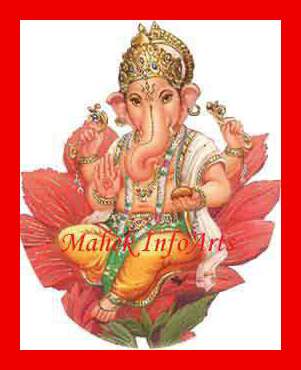
The Swastik is traditionally connected with auspicious beginnings and is often used alongside the worship of Lord Ganesha.
Auspicious Beginnings
Lord Ganesha is traditionally worshipped before important activities and ceremonies for an auspicious beginning.
Removal of Obstacles
Ganesha is traditionally revered as Vighnaharta, associated with the removal of obstacles.
Sacred Symbolism
The Swastik and Ganesha are commonly incorporated into traditional Hindu ceremonies and devotional settings.
Swastik Yantra for Home & Office
Swastik symbolism is traditionally used in both residential and professional spaces to mark an auspicious environment.
Home Entrance
A Swastik is traditionally placed near entrances as an auspicious symbol welcoming positive beginnings.
Office
It may be respectfully displayed in an office as part of a traditional auspicious environment.
Business Premises
Business owners may use Swastik symbolism during openings and traditional prosperity-oriented practices.
Swastik Yantra & Vaastu Harmony
The Swastik is traditionally used in Vaastu-oriented practices as an auspicious symbol for the home and workplace.
It may be respectfully placed in an appropriate location to create a traditional focus on auspiciousness, harmony and positive energy.
Where Should Swastik Yantra Be Placed?
The Swastik Yantra should be placed respectfully in a clean, well-maintained and suitable location.
Entrance
Traditionally used near the entrance as a symbol of auspiciousness and protection.
Puja Room
A dedicated Puja space provides a suitable environment for regular worship.
Office
It may be respectfully displayed in a clean office or professional environment.
Business
The symbol may be used in business premises as part of traditional auspicious practices.
Swastik Yantra Puja Vidhi
A simple devotional worship routine may be followed with cleanliness, faith and sincerity.
Clean the Yantra
Clean and respectfully prepare the Yantra before beginning the worship.
Prepare the Puja Space
Place the Yantra on a clean red or yellow cloth in the selected worship area.
Light the Lamp
Light a traditional lamp and incense while maintaining a calm and devotional atmosphere.
Offer Flowers & Kumkum
Offer flowers, kumkum, sandalwood paste and other traditional Puja items respectfully.
Pray to Lord Ganesha
Offer prayers to Lord Ganesha for auspiciousness, wisdom and removal of obstacles.
Chant the Mantra
Recite an appropriate Ganesha mantra with concentration and devotion.
Swastik Yantra Worship Materials
Traditional Offerings
- Fresh Flowers
- Kumkum
- Sandalwood Paste
- Akshat
Puja Items
- Incense
- Traditional Lamp
- Fruits
- Sweets
Devotional Practice
- Ganesha Puja
- Swastik Worship
- Mantra Chanting
- Regular Prayer
Swastik & Ganesh Mantra
Since the Swastik is traditionally associated with auspicious beginnings and Lord Ganesha, a traditional Ganesha mantra may be included during worship.
The mantra may be recited with devotion and concentration during regular Swastik or Ganesha worship.
Energized Swastik Yantra
An energized Swastik Yantra is traditionally prepared through appropriate Puja, mantra chanting and devotional rituals before being used for regular worship.
The purpose of energization is to establish the Yantra as a dedicated spiritual focus for auspiciousness, prayer and devotional practice.
Frequently Asked Questions About Swastik Yantra
What is Swastik Yantra?
Swastik Yantra is a sacred auspicious symbol traditionally associated with prosperity, protection, positive energy and auspicious beginnings.
What are the benefits of Swastik Yantra?
Traditionally, the Swastik is associated with auspiciousness, prosperity, protection, well-being, positive energy and harmony.
Where should Swastik Yantra be placed?
It may be respectfully placed near a home entrance, in a Puja room, office or business premises, depending on the intended traditional use.
Can Swastik Yantra be kept at home?
Yes. The Swastik is traditionally used in homes as a symbol of auspiciousness, protection and well-being.
Can Swastik Yantra be used in an office?
Yes. It may be respectfully displayed in an office or business environment as part of traditional auspicious practices.
Is Swastik Yantra related to Lord Ganesha?
The Swastik is traditionally associated with auspicious beginnings and is frequently used alongside Lord Ganesha worship.
What mantra can be chanted during Swastik Yantra Puja?
A traditional Ganesha mantra that may be recited is ॐ गं गणपतये नमः॥
Can Swastik Yantra be used for Vaastu?
The Swastik is traditionally used as an auspicious symbol in Vaastu-oriented practices. Specific placement should be selected according to the individual property and its layout.
स्वस्तिक यंत्र
स्वस्तिक यंत्र हिंदू परंपरा में शुभता, समृद्धि, सुरक्षा और सकारात्मक ऊर्जा का पवित्र प्रतीक माना जाता है। स्वस्तिक का प्रयोग पूजा, धार्मिक अनुष्ठान, गृह प्रवेश, व्यवसाय के शुभारंभ और अन्य मंगल कार्यों में किया जाता है।
घर, दुकान या कार्यालय में स्वस्तिक को श्रद्धापूर्वक स्थापित करना पारंपरिक रूप से शुभ माना जाता है। इसे सकारात्मक वातावरण, समृद्धि और मंगलमय शुरुआत की भावना से जोड़ा जाता है।
स्वस्तिक और भगवान गणेश
स्वस्तिक का संबंध शुभारंभ और मंगल से माना जाता है। भगवान गणेश को विघ्नहर्ता और शुभारंभ के देवता के रूप में पूजा जाता है। इसलिए गणेश पूजा के साथ स्वस्तिक का प्रयोग पारंपरिक रूप से किया जाता है।