










Pitra Dosha Symptoms & Remedies | Causes, Signs & Vedic Solutions
Discover the symptoms, causes and effective Vedic remedies for Pitra Dosha. Learn how ancestral karma affects your life ...
Read MoreGet personalized Rudraksha, Puja and Yantra recommendations with Astroshastra. Our guidance helps you explore traditional spiritual remedies according to your individual astrological requirements. Register for free and access your personalized recommendations through your Astroshastra dashboard.
Rudraksha beads are traditionally classified according to their mukhi, or the natural clefts and furrows found on their surface. Ancient scriptures describe Rudraksha ranging from 1 to 38 mukhis, while beads from 1 to 14 mukhis are commonly considered for astrological and spiritual purposes.
Each Rudraksha has its own traditional significance and is associated with specific energies and planetary influences. Choosing the appropriate Rudraksha should ideally be based on an individual's horoscope, personal requirements and astrological considerations.
Astroshastra Guidance: Rudraksha is traditionally valued for supporting meditation, mental calmness, spiritual discipline and overall well-being.
A mala traditionally containing 108 beads, or other sacred bead combinations, is used for meditation, mantra recitation and spiritual practices. Rudraksha malas may also be ritually energized according to traditional practices. Different mukhis are associated with different deities and planetary influences, allowing the selection to be aligned with one's individual astrological requirements.
Vedic Yantras are sacred geometric designs traditionally used to represent and focus upon particular divine and cosmic energies. Their forms may incorporate triangles, squares, circles, lotus patterns and the bindu , each carrying symbolic significance within the traditional spiritual framework.
Yantras are traditionally used as spiritual tools for meditation, worship and focused intention. Different Yantras are associated with particular deities, planetary influences and specific aspirations such as prosperity, protection, harmony, knowledge, success and spiritual development.
Traditional Practice: Yantras are generally placed in a clean and spiritually appropriate location and worshipped regularly with concentration, prayer, incense or a lamp.
In traditional practice, a Yantra may be consecrated or energized at an auspicious time and according to prescribed rituals. Regular worship and contemplation of the Yantra are considered a way of maintaining spiritual focus and devotion.
In traditional astrology, challenging planetary combinations are sometimes believed to correspond with periods of difficulty, uncertainty or imbalance in life. During such times, spiritual practices can provide an opportunity for reflection, devotion and a renewed sense of inner balance.
Puja is a traditional form of worship through which devotees express reverence to the Divine through prayers, mantras, offerings, meditation and sacred rituals . It is considered an important means of cultivating faith, gratitude and spiritual connection.
Astroshastra Perspective: Traditional planetary and remedial Pujas are selected according to the individual's astrological circumstances and spiritual requirements.
Sincere prayer and devotional practices are traditionally regarded as a means of seeking divine grace while cultivating patience, clarity and positive intention. The purpose of Puja extends beyond a desired material outcome and includes the development of a deeper spiritual connection with the Divine.
Personalized astrology consultations, predictions and remedies prepared by experienced Vedic astrologers.
Explore hand-picked articles related to this topic to deepen your astrological knowledge.
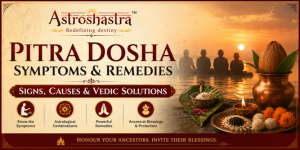
Discover the symptoms, causes and effective Vedic remedies for Pitra Dosha. Learn how ancestral karma affects your life ...
Read More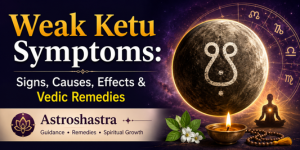
Learn the symptoms of a weak Ketu in Vedic astrology, its effects on health, career, relationships, and spirituality, al...
Read More.png)
Discover the most effective astrology items for Planet Sun in Vedic Astrology. Learn about gemstones, Rudraksha, Yantras...
Read More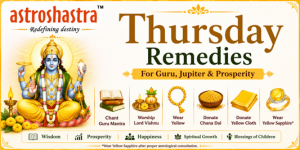
Discover powerful Thursday remedies for Planet Jupiter including Guru Mantra, Yellow Sapphire, Five Mukhi Rudraksha, Bri...
Read More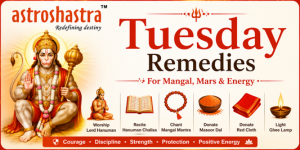
Discover powerful Tuesday remedies for Mars and Mangal including Hanuman Puja, Mangal Mantra, Red Coral, Three Mukhi Rud...
Read More
Discover powerful Sunday remedies for Planet Sun including Surya Arghya, Surya Mantra, Surya Namaskar, Ruby, Rudraksha, ...
Read More