
















Guru Chandal Yoga: Effects, Causes, Symptoms, Cancellation and Powerful Remedies in Vedic Astrology
Learn everything about Guru Chandal Yoga in Vedic astrology. Discover its causes, effects on career, marriage, finances,...
Read More



The disease bronchitis is characterised
by the inflammation of the bronchi of the lungs which
results in the discharge (coughing out) of a muco-purulent substance, commonly known as phlegm. It is of several types depending upon the nature of the discharge. Bronchitis can
occur as a symptom of many other diseases like tuberculosis. In all such cases, one or the other type of germ is considered to be the causative factor.
In Ayurveda, this disease is called kasa roga. Krimis or germs are known in Ayurveda to cause the disease. But they are not considered to be the primary causative factors. Ayurveda
considers kasa roga to be caused primarily by the impairment of digestion. For the treatment of bronchitis therefore, drugs having properties to correct both the lungs and stomach
are selected by ayurvedic physicians.
Ayurvedic Treatment for Bronchitis: Whatever the cause may be, the simplest treatment for bronchitis is to give to the patient one teaspoonful of haridra (turmeric) powder mixed with a cup
of milk, two
to three times a day, depending upon the severity of the condition. This acts better if given on an empty stomach. This is an absolutely harmless recipe which can be given to any
patient irrespective of age, sex or condition of the disease.
The popular recipe, commonly used as a household remedy for this condition is the powder of shunthi (dried ginger), pippali (long pepper) and maricha (black pepper) - all three mixed
in equal quantity. The mixture is given in a dose of half teaspoonful, three to four times a day, depending upon the severity of the disease. This powder can be added to tea or coffee,
and taken.
All these three medicines, taken together, are known in Ayurveda as trikatu or tryushana, and they are well known for their action on the lungs and stomach.
They promote
digestion and metabolism in the body and thus inhibit the production of the factors responsible for the causation of the infection and inflammation of the bronchi. Simultaneously
they help in the expectoration of the accumulated phlegm, and make the breathing easy. At times, because of infection, the patient also suffers from fever and these medicines cure
fever as well, because of their anti-pyretic and stimulant effects.
These drugs create such an environment in the body, and specially in the lungs of the individual,
that the
harmful germs do not find it congenial to thrive, not to speak of their growth and multiplication.
All these three drugs are also used in the kitchen as spices; hence they have no harmful effect whatsoever on the body. If taken in excess they may produce a little burning sensation
in the chest, and in that case, the dose should be reduced, or some more honey should be added to the powder, and then taken.
A medicinal plant called vasa is very useful in curing cough and bronchitis, specially when they become chronic. The juice of the leaves of this plant is generally used in a dose of
two teaspoonful, three times a day. The taste of this juice is slightly bitter. Thus to make it palatable, an equal quantity of honey should be added. This plant naturally grows in
almost all parts of India except in deserts and snow-clad mountains.
Bronchitis is often associated with congested throat. In that case, khadiradi vati should be kept in the mouth and sucked slowly. About five tablets can be used each day.
This produces
a soothing effect on the throat and relieves the congestion. The main ingredient of this drug is khadira.
Diet to taken by Bronchitis patients: Curd and other sour things should be avoided. Sour fruits, including banana and guava are also contra-indicated.
Other regimens: Exposure to cold wind and rain should be avoided. Bath in cold water (specially in winter) is contra-indicated, more so when bronchitis is in its acute phase.
What is Bronchitis?
Bronchitis is a respiratory condition characterized by inflammation of the bronchial tubes—the airways that carry air to your lungs. This inflammation leads to symptoms like persistent cough, mucus (phlegm) production, chest congestion, shortness of breath, wheezing, and fatigue. Bronchitis can be acute (short-term) or chronic (long-lasting, often due to smoking or pollution).
Causes of Bronchitis (According to Ayurveda)
In Ayurveda, bronchitis is associated with "Kasa Roga" and is primarily due to the imbalance of the Kapha and Vata doshas. The causes may include:
Excess consumption of cold, heavy, and oily foods
Inhalation of dust, smoke, or allergens
Weak digestion (Mandagni), leading to toxin (Ama) accumulation
Sudden exposure to cold weather
Suppression of natural urges (like sneezing, coughing)
Common Symptoms
Persistent wet or dry cough
Wheezing or whistling sound while breathing
Thick mucus, especially in the morning
Chest pain or tightness
Mild fever and fatigue
Ayurvedic Approach to Bronchitis
Ayurveda treats bronchitis by:
Balancing aggravated doshas (mainly Kapha & Vata)
Removing toxins (Ama)
Strengthening the respiratory system (Pranavaha Srotas)
AYURVEDIC REMEDIES FOR BRONCHITIS
1. Herbal Remedies
Tulsi (Holy Basil): Boil tulsi leaves with water and sip warm. Acts as a natural expectorant and relieves inflammation.
Vasaka (Adhatoda vasica): Known for its mucolytic and bronchodilator properties. Available as syrup or churna.
Yashtimadhu (Licorice): Soothes the throat and helps in reducing irritation. Effective against dry cough.
Pippali (Long Pepper): Rejuvenates the lungs and clears phlegm.
Sonth (Dry Ginger): Useful in reducing Kapha and improving digestion, which helps in toxin elimination.
2. Ayurvedic Medicines
Sitopaladi Churna: A classical formulation for respiratory issues. Acts as an expectorant.
Talisadi Churna: Especially beneficial for cough with mucus.
Kanakasava: A herbal liquid that eases breathing and reduces inflammation.
Bharangyadi Kwath: Decoction useful for chronic bronchitis and asthma.
(Always consult an Ayurvedic doctor before using these medicines.)
3. Home Remedies
Turmeric Milk: A warm glass of milk with ½ tsp turmeric helps reduce inflammation.
Honey & Ginger Juice: Mix 1 tsp honey with a few drops of fresh ginger juice. Take twice daily.
Steam Inhalation: Add a few drops of eucalyptus oil to hot water and inhale steam to open airways.
4. Diet and Lifestyle Tips
Diet Recommendations
Warm, light, and easily digestible foods
Use spices like turmeric, black pepper, ginger
Avoid dairy, cold drinks, fried and heavy foods
Drink warm water throughout the day
Lifestyle Suggestions
Avoid cold exposure and dusty environments
Practice Pranayama (especially Anulom Vilom and Bhastrika)
Get adequate rest
Avoid suppression of natural urges like coughing or sneezing
Panchakarma Therapies (for chronic cases)
Vamana (Therapeutic Emesis): To eliminate excess Kapha
Nasya (Nasal Therapy): Useful in relieving congestion
Abhyanga (Oil Massage): With medicated oils to improve circulation and reduce stress
Explore Vedic Astrology, Numerology, Vastu, Panchang, Nakshatras, Ayurveda, Mantras and Spiritual Wisdom.
Personalized astrology consultations, predictions and remedies prepared by experienced Vedic astrologers.
Explore hand-picked articles related to this topic to deepen your astrological knowledge.

Learn everything about Guru Chandal Yoga in Vedic astrology. Discover its causes, effects on career, marriage, finances,...
Read More
Discover how Astrology and Ayurveda work together to promote holistic health. Learn about planetary influences, doshas, ...
Read More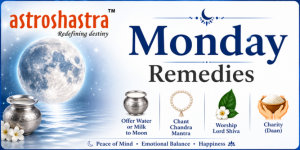
Discover powerful Monday remedies for Planet Moon including Chandra Mantra, Shiva Puja, Pearl, Two Mukhi Rudraksha, Chan...
Read More
Discover the astrological benefits of feeding green grass to cows. Learn how this simple Vedic remedy helps strengthen p...
Read More
Discover powerful Vastu tips for a happy marriage. Learn how bedroom placement, colors, directions, and simple Vastu rem...
Read More
Discover the power of Name Correction in Numerology and how correcting your name spelling can improve success, relations...
Read More