Introduction to Durga Puja
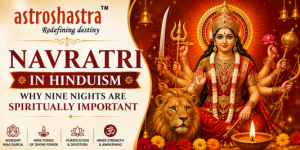
Durga Puja is one of the most spiritually significant festivals dedicated to Maa Durga, the Divine Mother and embodiment of Shakti.
The festival commemorates Goddess Durga's victory over Mahishasura and symbolically represents the triumph of good over evil, righteousness over negativity and divine strength over destructive forces.
Across India, Durga Puja is observed through devotional worship, prayers, cultural traditions and community celebrations. In eastern India, particularly West Bengal, the festival is celebrated on a grand scale through beautifully decorated pandals, artistic idols, devotional music and cultural programs.
Divine Shakti
Maa Durga represents the powerful and protective force of the Divine Feminine.
Protection
Devotees seek courage, strength and protection from negativity and harmful influences.
Victory of Dharma
Durga's victory over Mahishasura symbolizes the restoration of balance and righteousness.
Significance of Mahalaya
Mahalaya marks an important spiritual beginning of the Durga Puja period. It is traditionally associated with invoking Maa Durga and preparing devotees for the celebrations of Durgotsav.
The Spiritual Meaning of Mahalaya
Mahalaya is traditionally regarded as a significant moment of remembrance, devotion and spiritual preparation before the principal days of Durga Puja.
The Main Days of Durga Puja
The principal celebrations are associated with Shashthi, Saptami, Maha Ashtami, Maha Navami and Vijayadashami.
Shashthi
The ceremonial beginning of the principal Durga Puja celebrations.
Saptami
Devotional worship and traditional rituals dedicated to Maa Durga.
Maha Ashtami
One of the most important and spiritually significant days of Durga Puja.
Maha Navami
Devotees continue prayers and worship before the concluding Vijayadashami observance.
Vijayadashami
The festival culminates with the celebration of victory and the farewell of Maa Durga.
Maa Durga and the Victory Over Mahishasura
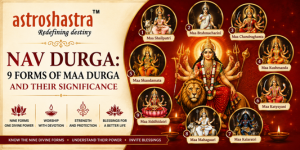
Maa Durga is traditionally depicted with multiple arms carrying divine weapons. These weapons are understood as representations of different divine powers.
The lion or tiger associated with Maa Durga symbolizes courage, strength and mastery over powerful instincts.
Mahishasura represents forces of adharma and destructive ego. Maa Durga's victory over him therefore symbolizes the restoration of balance and righteousness.
Durga Puja and Navratri – Are They the Same?
Durga Puja and Navratri are closely connected through the worship of the Divine Feminine, but their regional customs and methods of celebration can differ.
In many parts of India, Navratri is celebrated through fasting, devotional practices, Garba, Dandiya and worship of different manifestations of Shakti.
In eastern India, particularly West Bengal, Durga Puja is celebrated as a grand festival centered around Maa Durga and her victory over Mahishasura.
Both traditions ultimately celebrate the power of Shakti and the triumph of dharma over adharma.
How is Durga Puja Celebrated Across India?
Durga Puja takes different forms across India while retaining its central spiritual theme.
Elaborate Durga Puja pandals, artistic idols, devotional music, cultural programs and community celebrations are especially prominent.
The festival is observed through traditional worship, community gatherings and cultural festivities.
Devotees observe traditional worship and community celebrations during the festival period.
The festival period often overlaps with Navratri and culminates in Vijayadashami or Dussehra celebrations.
Spiritual Benefits of Worshipping Maa Durga
Devotees traditionally turn to Maa Durga during Durga Puja for blessings associated with:
These are traditional spiritual beliefs associated with Goddess Durga worship and should be understood within the context of Hindu religious traditions.
How to Worship Maa Durga During Durga Puja
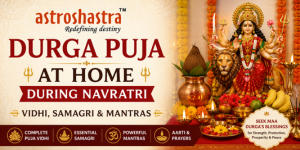
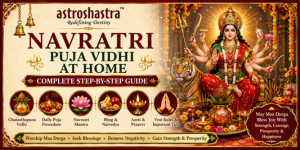
Devotees may worship Maa Durga according to their family, regional or spiritual tradition. A simple devotional practice can include maintaining cleanliness, lighting a diya, offering flowers, reciting Durga mantras, performing aarti and offering prayers with sincerity.
Those performing detailed rituals should follow the guidance of a knowledgeable priest or qualified spiritual practitioner, especially when specific Vedic or traditional procedures are required.
Durga Mantra & Devotional Practice
Mantra chanting is an important part of many forms of Goddess worship. Devotees may recite traditional prayers and hymns dedicated to Maa Durga according to their spiritual tradition.
Regular devotional practices during Durga Puja can help create an atmosphere of discipline, prayer and spiritual reflection.
The Deeper Message of Durga Puja
The story of Maa Durga reminds devotees that courage, righteousness and spiritual strength can overcome destructive tendencies.
Durga Puja therefore becomes more than a festival: it is a reminder to cultivate inner strength, discipline, devotion and faith in the victory of dharma.
Seek Divine Guidance for Your Journey
Explore spiritual and astrological guidance from Astroshastra and discover traditional services designed to support your personal journey.
Explore Horoscope Consultancy