Hartalika Teej – Significance, Vrat Katha, and Puja Vidhi
Rituals and Puja Vidhi for Hartalika Teej
Hartalika Teej – Significance, Vrat Katha, and Puja Vidhi
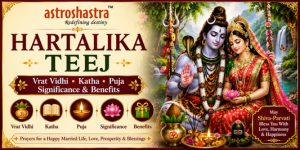
Hartalika Teej is one of the most important festivals for married and unmarried Hindu women, celebrated on the Tritiya (third day) of Shukla Paksha in the month of Bhadrapada (August–September). Dedicated to Goddess Parvati and Lord Shiva, this festival is marked by strict fasting, traditional rituals, and prayers for marital bliss and a happy married life.
What is Hartalika Teej?
Hartalika Teej is observed primarily in North India, especially in states like Uttar Pradesh, Bihar, Madhya Pradesh, and Rajasthan. The word ‘Hartalika’ is derived from ‘Harat’ (abduction) and ‘Aalika’ (female friend). The festival commemorates the day Goddess Parvati’s friend took her to the forest so that she could avoid being married to Lord Vishnu and could fulfill her desire to marry Lord Shiva.
Significance of Hartalika Teej Vrat
Hartalika Teej holds deep spiritual and emotional value, especially for married women who observe a nirjala vrat (fasting without water) for the well-being, longevity, and prosperity of their husbands. Unmarried girls also observe this vrat seeking an ideal life partner, just like Goddess Parvati attained Lord Shiva through intense devotion and penance.
According to Hindu scriptures, it is believed that Goddess Parvati observed this vrat with utmost faith and was ultimately accepted by Lord Shiva as His consort. Hence, this Teej symbolizes devotion, purity, and strong marital bonds.
Rituals and Puja Vidhi for Hartalika Teej
Women wake up early, bathe, and wear traditional attire—mostly green sarees and adorn themselves with mehendi, bangles, and jewelry.
Clay idols of Lord Shiva and Goddess Parvati are prepared or installed on a clean platform.
Devotees perform puja in the evening, offering bilva leaves, flowers, fruits, sweets, and incense.
Sing Teej songs, read or listen to the Hartalika Teej Vrat Katha.
The fast continues for 24 hours, where most women do not consume water or food.
The next day, the fast is broken after offering prayers and completing rituals.
Hartalika Teej Vrat Katha (Story)
The vrat katha narrates how Goddess Parvati, determined to marry Lord Shiva, performed severe penance in the Himalayas. Pleased with her devotion, Lord Shiva accepted her as His wife. The katha highlights unwavering faith, feminine strength, and the power of spiritual commitment.
Fasting Rules and Benefits
Women observing Hartalika Teej must maintain purity of body and mind.
Abstain from food, water, and negative thoughts.
The vrat is believed to bring blessings of a blissful marriage, strong family ties, and spiritual growth.