Hariyali Teej – Significance, Vrat Katha, Rituals, and Celebrations
Rituals and Puja Vidhi of Hariyali Teej
Hariyali Teej – Significance, Vrat Katha, Rituals, and Celebrations
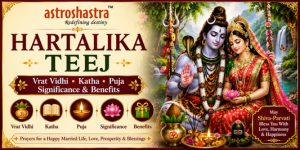
Hariyali Teej is a vibrant and deeply spiritual festival observed during the Shukla Paksha Tritiya of the Shravan month (July–August). It marks the beginning of the monsoon and is primarily celebrated by married and unmarried women in states like Rajasthan, Uttar Pradesh, Bihar, Madhya Pradesh, and Haryana.
This sacred day is dedicated to the divine union of Lord Shiva and Goddess Parvati. Women pray for the health and longevity of their husbands, while unmarried girls seek an ideal life partner through fasting and devotion.
What is Hariyali Teej?
The word “Hariyali” means greenery, signifying the arrival of the monsoon season and renewal of nature. On this day, women deck up in green sarees, apply mehndi (henna), sing folk songs, swing on beautifully decorated jhoolas, and celebrate love and fertility.
Spiritual Significance of Hariyali Teej
Hariyali Teej symbolizes the eternal bond between Lord Shiva and Goddess Parvati. It is believed that after years of severe penance, Parvati finally reunited with Lord Shiva on this very day. The vrat (fast) observed on Hariyali Teej is a mark of devotion, patience, and marital dedication.
The festival promotes spiritual strength, divine blessings, and harmony in relationships. It is a celebration of feminine energy and the power of love.
Rituals and Puja Vidhi of Hariyali Teej
Women observe nirjala vrat (fast without food or water) from sunrise to moonrise.
Goddess Parvati is worshipped in her Sindhara avatar, and Lord Shiva is invoked.
Women adorn themselves in green attire and jewelry, reflecting the theme of fertility and prosperity.
Traditional songs and dances are performed around swings tied to trees.
In the evening, puja is performed using haldi, kumkum, mehndi, fruits, flowers, and sweets.
Women read or listen to the Hariyali Teej Vrat Katha and offer prayers for marital bliss.
Vrat Katha (Mythological Story) of Hariyali Teej
The vrat katha narrates the story of Goddess Parvati's dedication to marry Lord Shiva. After deep penance and unwavering faith, she pleased Lord Shiva and was accepted as his consort. This story is symbolic of determination, spiritual strength, and divine love.
Cultural Celebrations and Traditional Practices
Hariyali Teej is not just a religious occasion but also a time for social bonding and community festivities. Fairs are organized, women exchange Teej gifts (Sindhara), and swings decorated with flowers are hung in gardens. In Rajasthan, the Teej Mata procession in Jaipur is a major attraction.