Maha Shivratri – Significance, Rituals & Spiritual Importance of Lord Shiva’s Night
Maha Shivratri, literally meaning “The Great Night of Shiva,” is one of the most powerful and sacred festivals dedicated to Lord Shiva, the supreme force of creation and destruction in Hindu mythology. Celebrated every year on the 14th night of the dark fortnight (Chaturdashi) in the Phalgun month, Shivratri is a night when cosmic energy is believed to be at its peak, and the Shiva–Shakti principle is highly active. Devotees stay awake all night, observe fasts, and offer prayers to please Mahadev and seek his divine blessings of strength, clarity and liberation.
What is Maha Shivratri?
Shivratri comes every lunar month, but Maha Shivratri is the most important one. It marks the marriage of Lord Shiva and Goddess Parvati, symbolizing the union of the masculine and feminine energies of the universe. It is also believed to be the night when Shiva performed the Tandava Nritya, his cosmic dance of creation, protection and destruction. Hence, worship on this night is said to purge one’s sins and grant spiritual upliftment.
Legends & Stories Behind Shivratri
Several stories are associated with Shivratri. According to one, when the Samudra Manthan (churning of the ocean) was carried out by gods and demons, a deadly poison called Halahala emerged. Shiva drank this poison to save the world and held it in his throat, turning it blue — earning him the name Neelkantha. Another legend says that Goddess Parvati prayed fervently on this day for Lord Shiva to become her husband.
Rituals and Fasting Rules
Devotees begin by waking up early, bathing, and wearing clean clothes.
A fast (vrat) is observed — some remain on water and fruits, while others follow a complete Nirjala vrat (without water).
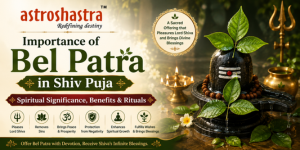
Shiva linga is bathed with milk, honey, curd, ghee and Gangajal, and decorated with Bel leaves, Dhatura, white flowers, and fruits.
Special pujas are performed four times during the night (Jaagran), with chanting of “Om Namah Shivaya” and recitation of the Shiva Chalisa, Rudrashtakam, or Shiv Purana.
Many visit Jyotirlinga temples and offer prayers for health, wealth, marital harmony, and peace.
Spiritual Significance of Maha Shivratri
Shivratri is not just a religious ritual; it is a deep spiritual celebration. The planetary and cosmic alignment on this night naturally raises human consciousness. Meditation, mantra chanting and introspection on this night help in cleansing negative karmas and awakening inner energy (Kundalini). Staying awake symbolises overcoming darkness (ignorance) to realize the “Light of Shiva”, the ultimate truth.
Benefits of Observing Shivratri Vrat
Blessings of happiness, mental peace and prosperity
Freedom from past sins and negative patterns
Strong marital bond and family happiness
Longevity and protection from diseases
Ultimately, a step towards spiritual awakening and Moksha