Tulsi Jayanti – The Sacred Birth of Goddess Tulsi
Tulsi Jayanti – The Sacred Birth of Goddess Tulsi
Tulsi Jayanti is a highly revered Hindu festival that celebrates the divine birth of Tulsi Mata, regarded as the earthly manifestation of Goddess Lakshmi. It is observed on the Prabodhini Ekadashi of the Kartik month (October–November) according to the Hindu calendar. This sacred day highlights the spiritual and medicinal importance of Tulsi, also known as Holy Basil, which is considered one of the most auspicious plants in Hindu tradition.
What is Tulsi Jayanti?
Tulsi Jayanti marks the appearance day of Vrinda Devi (Tulsi Mata). Devotees believe that Tulsi Mata descended on Earth to guide humanity towards purity, devotion, and righteousness. Worshiping Tulsi on this day brings blessings, prosperity, and spiritual upliftment. Temples and households across India decorate Tulsi plants, perform special pujas, and offer prayers to seek divine grace.
Significance of Tulsi in Hinduism
Tulsi is regarded as the Queen of Herbs and holds an unmatched position in Hindu rituals. Every part of Tulsi—from its leaves to its roots—is considered sacred and is used in daily pujas and offerings to Lord Vishnu and Lord Krishna. In scriptures, Tulsi is said to destroy sins, protect devotees from negativity, and ensure spiritual progress.
Legends Associated with Tulsi Mata
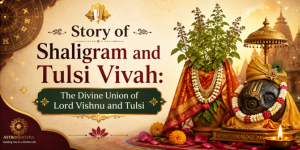
According to the Skanda Purana and other texts, Tulsi Mata was born as Vrinda, a devoted wife of the demon king Jalandhar. Her unwavering chastity gave Jalandhar immense strength, making him invincible even against the gods. To defeat him, Lord Vishnu disguised himself as Jalandhar and broke Vrinda’s penance. Heartbroken, Vrinda cursed Vishnu to turn into a black stone (Shaligram). Later, she immolated herself, and from her ashes, the sacred Tulsi plant emerged. Since then, Tulsi has been worshiped as the consort of Lord Vishnu.
Rituals Performed on Tulsi Jayanti
Devotees clean and decorate the Tulsi plant with flowers, kumkum, and turmeric.
A lamp (deepak) is lit near the Tulsi plant to symbolize purity and divine energy.
Special pujas and offerings of sweets, fruits, and water are made.
Devotees recite Tulsi Stotra and mantras dedicated to Tulsi Mata and Lord Vishnu.
Some regions also perform Tulsi Vivah, symbolically marrying Tulsi Mata to Lord Shaligram.
Spiritual and Health Benefits of Tulsi Worship
Tulsi is not only a spiritual symbol but also a healing herb in Ayurveda. It boosts immunity, purifies the atmosphere, and relieves stress. Spiritually, Tulsi worship is believed to bring peace, harmony, and prosperity into one’s home. Devotees also believe that planting Tulsi ensures protection from evil energies.