The Deadly Kaal Form of Lord Narayan and Kamadeva's Destruction in Vaman Puran
The Deadly Kaal Form of Lord Narayan and Kamadeva's Destruction in Vaman Puran
Understanding Lord Narayan's Terrifying Kaal Form
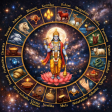
The Vaman Puran reveals a rarely discussed aspect of Lord Narayan - his manifestation as Kaal, the embodiment of time and death itself. This deadly form represents the divine's power to destroy when cosmic balance is threatened. Unlike his benevolent Vishnu avatar, the Kaal form showcases unlimited destructive potential that can annihilate entire universes in moments.
When Lord Narayan assumes this terrifying aspect, his compassionate eyes become blazing furnaces of cosmic fire. His gentle smile transforms into a fearsome expression that can paralyze even the mightiest demons. The Puran describes how this form emanates such intense energy that mountains crumble and oceans boil merely from his presence.
This transformation occurs not from anger or malice, but from divine necessity. When dharma faces extinction and evil reaches unbearable proportions, the preserver of the universe must become its destroyer to restore balance.
The Divine Wrath: When Preservation Becomes Destruction
The episodes in Vaman Puran illustrate how divine wrath operates differently from human anger. Lord Narayan's Kaal form emerges as a calculated cosmic response, not an emotional outburst. The text emphasizes that this deadly manifestation serves the ultimate purpose of protection and restoration.
During these episodes, the very fabric of reality trembles. The Puran describes how divine weapons appear spontaneously around the Kaal form, each capable of destroying entire worlds. Time itself bends to his will, allowing him to compress millennia into moments or stretch seconds into eternities.
What makes these episodes particularly profound is their demonstration of how love and destruction can coexist in divine nature. The same consciousness that nurtures creation can instantly become its annihilator when circumstances demand such action.
Kamadeva's Fatal Challenge and Burning Episode
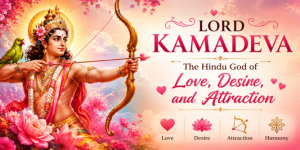
One of the most gripping episodes involves Kamadeva, the god of desire and love, who dares to challenge divine authority. The Vaman Puran recounts how Kamadeva attempts to disturb Lord Shiva's meditation by shooting his flower arrows, hoping to kindle romantic feelings for Parvati.
The moment Kamadeva's arrow strikes, Lord Shiva's third eye opens, releasing a devastating flame that instantly reduces the love god to ashes. This episode, while primarily associated with Shiva, demonstrates the interconnected nature of divine consciousness and how any disrespect toward one deity affects the entire cosmic order.
The burning of Kamadeva serves as a powerful metaphor for the destruction of unchecked desires. The Puran explains how desire, when misdirected or excessive, can lead to spiritual annihilation. Yet the story doesn't end with destruction - Kamadeva is eventually restored, teaching the lesson of redemption through proper understanding.
Cosmic Justice and Divine Retribution
These episodes from Vaman Puran reveal the concept of cosmic justice operating beyond human comprehension. The deadly form of Lord Narayan doesn't act from personal vendetta but functions as an instrument of universal law. Every action that disrupts cosmic harmony inevitably faces proportionate response from divine forces.
The Puran emphasizes that divine retribution is swift and absolute. Unlike earthly justice systems that may err or show partiality, cosmic justice operates with perfect precision. Those who challenge dharma or disrespect divine authority face consequences that extend beyond physical death to spiritual dimensions.
However, these episodes also demonstrate divine mercy. Even in his most terrifying form, Lord Narayan provides opportunities for repentance and redemption. The destruction often serves as purification rather than mere punishment.
Spiritual Lessons from Divine Fury
The episodes of Lord Narayan's Kaal form and Kamadeva's destruction offer profound spiritual insights for modern seekers. They teach that divine love includes the wisdom to destroy what harms spiritual growth. Sometimes, what appears as divine cruelty is actually compassionate intervention preventing greater suffering.
These stories encourage devotees to surrender completely to divine will, understanding that apparent hardships may be cosmic corrections guiding them toward higher consciousness. The burning of Kamadeva symbolizes the need to purify desires and align them with spiritual goals.
For contemporary spiritual practitioners, these episodes serve as reminders that the spiritual path requires courage to face divine truth, even when it challenges comfortable beliefs. True devotion means accepting both the nurturing and corrective aspects of divine grace.
The Vaman Puran's portrayal of these intense episodes ultimately points toward the non-dual nature of existence, where creation and destruction, love and wrath, mercy and justice are all expressions of the same infinite consciousness.