





Water at the Door – Vastu Effects & Remedies
Vastu Remedies for Positivity at Doorway
The main door is considered the mouth of energy in Vastu Shastra – it is the entry point through which prosperity, opportunities and happiness enter the home. The placement of elements like water and fire near this entrance has a strong influence on the flow of energy. While water is a symbol of abundance, purity and continuous flow, placing it wrongly at the door can invite negativity or block fortune.
Water elements commonly kept at the doorway include water pots (matka), fountain, aquarium, water bowl for birds, or even leakage from pipes. As per Vastu, having a water feature at the North, North-East or East side of the entrance is considered auspicious as these directions are governed by the water element. Keeping fresh water in these zones brings peace, mental clarity, growth and financial gains.
However, placing water at the door in South, South-East (Agni), South-West (Nairitya) or West direction is not recommended. Water near these zones creates a clash of energies and ends up causing instability, loss of wealth, relationship conflicts and health problems. A dripping tap or stagnant water around the doorway is considered extremely unlucky as it drains opportunities and positivity.
Do’s:
If your main door opens towards North or North-East, you can keep a small water pot, fountain or aquatic plants to invite prosperity.
Ensure the water is clean, moving and refreshed regularly.
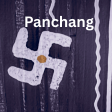
Decorate the entrance with symbols like Shubh-Labh, Swastik, and keep the doorstep well-lit, welcoming and clutter-free.
Don’ts:
Avoid keeping any water container, cooler, leaking pipe or washing area right at the main door – especially if door faces South, South-West or West.
Do not keep dirty, stagnant or uncovered water bowls as they attract negative energies.
Water should never obstruct the pathway of people entering the house.
Vastu Remedies:
If your door already has a water feature in an inauspicious direction and it can’t be shifted easily, place a red stripe or brass strip under the door frame as a remedy. You can also keep a mountain painting or heavy pot in the South-West zone of your home to counteract water imbalance. Burning camphor or dhoop at the entrance daily purifies the area.
Water elements commonly kept at the doorway include water pots (matka), fountain, aquarium, water bowl for birds, or even leakage from pipes. As per Vastu, having a water feature at the North, North-East or East side of the entrance is considered auspicious as these directions are governed by the water element. Keeping fresh water in these zones brings peace, mental clarity, growth and financial gains.
However, placing water at the door in South, South-East (Agni), South-West (Nairitya) or West direction is not recommended. Water near these zones creates a clash of energies and ends up causing instability, loss of wealth, relationship conflicts and health problems. A dripping tap or stagnant water around the doorway is considered extremely unlucky as it drains opportunities and positivity.
Do’s:
If your main door opens towards North or North-East, you can keep a small water pot, fountain or aquatic plants to invite prosperity.
Ensure the water is clean, moving and refreshed regularly.
Decorate the entrance with symbols like Shubh-Labh, Swastik, and keep the doorstep well-lit, welcoming and clutter-free.
Don’ts:
Avoid keeping any water container, cooler, leaking pipe or washing area right at the main door – especially if door faces South, South-West or West.
Do not keep dirty, stagnant or uncovered water bowls as they attract negative energies.
Water should never obstruct the pathway of people entering the house.
Vastu Remedies:
If your door already has a water feature in an inauspicious direction and it can’t be shifted easily, place a red stripe or brass strip under the door frame as a remedy. You can also keep a mountain painting or heavy pot in the South-West zone of your home to counteract water imbalance. Burning camphor or dhoop at the entrance daily purifies the area.