













Rahu and Drug Addiction in Indian Astrology | Vedic Astrology & Remedies
Learn how Rahu influences drug addiction in Vedic astrology. Discover astrological combinations, planetary influences, w...
Read More


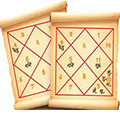
Astrology is an art of interpreting the reputed esteric influence of stars/planets
on humans. The Hindu system of Astrology is based on the premise that
the natal position of planets is dependent on the past Karma of the human
beings and give complete picture of life of the person concerned.
The science of Astrology has four major constituents , that is signs,
houses , planets and planetary periods. The first constituent of the system
is signs. They are twelve in number and are ruled by the planets indicated
against each of them.
The science of Astrology has four major constituents , that is signs,
houses , planets and planetary periods.
The first constituent of the system is signs. They are twelve in number and are ruled by the planets indicated against each of them. Astrology is based on astronomy in that astrologers need to know the correct positions of the planets at any given time, as well as the correct positions of the zodiacal fixed star signs in relation to any place on earth at any given time.
Veda means original knowledge and truth.
Vedic means of the original knowledge and truth andc astrology is the
science of the effects of the planets movements on our lives and all things.
Vedic scripture is NOT myth. Once the correct
positions of the signs and planets are known, the astrologer can constructs
charts representing these positions, and using the astrological science,
studies the charts and can make quite a wide range of conclusions about
the moment the Planets.
Vedic astrology differs from Western or Tropical astrology mainly in that
it uses the fixed zodiac as opposed to the moving zodiac. Because of the
gradual tilting of the earth in space on it's axis, the zodiac, if you
calculate it from the Sun's relationship to the Earth, appears to be moving
at the rate of a little less than 1/60th of a degree per year. Currently,
the relative or movable zodiac is off or out of alignment with the fixed
or real star-based zodiac by roughly 23 degrees, which is almost one whole
sign of the zodiac.
The signs the planets are in is one important part of astrology. Because the two systems are skewed from each other by nearly one whole sign, most people's "Sun Sign", that which you can get from the paper each day, is usually one sign back when the chart is refigured using Vedic astrology.
Vedic astrology also has a great number of techniques for studying the charts once they are cast which give Vedic a predictive edge. For example, the "dashas" or "planetary ruling periods" system which is a part of the Vedic system give Vedic astrologers a tool for quite accurately predicting the trends, changes and events in your life with good accuracy regarding dating when things will take place. Therefore, Vedic astrologers are less limited to talking about your general overall self and can get more deeply into what's going to happen in your life.
Explore Vedic Astrology, Numerology, Vastu, Panchang, Nakshatras, Ayurveda, Mantras and Spiritual Wisdom.
Personalized astrology consultations, predictions and remedies prepared by experienced Vedic astrologers.
Explore hand-picked articles related to this topic to deepen your astrological knowledge.

Learn how Rahu influences drug addiction in Vedic astrology. Discover astrological combinations, planetary influences, w...
Read More
Discover why Muhurat played a vital role in ancient Indian culture. Learn the spiritual, astronomical, and scientific si...
Read More
Discover how keeping a Silver Elephant helps reduce Rahu Dosha, removes obstacles, attracts prosperity, and balances neg...
Read More
Discover the best Nakshatras for childbirth according to Vedic Astrology. Learn how birth stars influence a child's pers...
Read More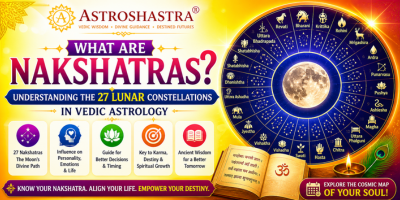
Learn what Nakshatras are in Vedic astrology, their meaning, types, and importance in horoscope analysis, personality, a...
Read More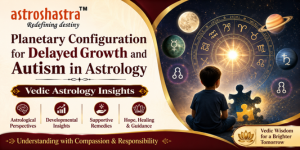
Explore the Vedic astrology perspective on delayed growth and autism. Understand possible planetary combinations, karmic...
Read More