Vastu Norms for Site & Plot Selection
Learn traditional Vastu guidelines for selecting a suitable residential plot, including plot shape, dimensions, directions, slope, roads, surroundings, trees, pits and the relationship between the site and proposed main entrance.
Why Site Selection Matters in Vastu
The selection of land is an important consideration in traditional Vastu planning. Before designing or constructing a building, attention can be given to the shape, dimensions, levels, surroundings and approach roads of the proposed site.
Traditional Vastu guidance presented by Astroshastra recommends examining the physical characteristics of a plot before proceeding with construction.
The following principles are based on the traditional site-selection norms presented in this Astroshastra resource.
What to Examine Before Selecting a Plot
- Shape and dimensions of the site
- Four-side angles and proportions
- Direction and distribution of open space
- Ground level and natural slope
- Roads and approach to the plot
- Nearby structures and surroundings
- Trees, poles and obstacles
- Position of the proposed main entrance
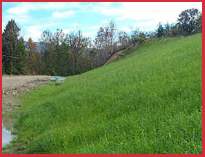
Traditional Vastu Norms for Plot Selection
According to the traditional guidelines presented on Astroshastra, a site should preferably have a regular shape and suitable proportions.
Attention is also given to the direction in which the site extends, the distribution of space across different directions and the surrounding environment.
Plot Shape, Proportion & Geometry
The original source places considerable emphasis on the physical shape and proportion of the site.
Square
A square site is identified as a suitable shape in the traditional guidance.
Rectangle
A rectangular site is also preferred according to the source.
L-Shaped
The source recommends rejecting an L-shaped site.
Irregular
Irregularly dimensioned sites should be rejected or rectified according to the source.
18 Traditional Vastu Norms for Site Selection
These points organize the original Astroshastra guidance into a clearer and easier-to-read format.
Prefer Square or Rectangular Sites
The site should preferably be rectangular or square. The source advises against circular, triangular or odd-sized sites.
Maintain Suitable Proportion
The site should have proportionate length and width. The source specifically mentions a ratio of 9:5.
Check the Four Angles
The traditional guideline states that all four sides should have 90-degree angles.
Avoid Unfavourable Extensions
A site extending towards the South-East or North-West is identified for rectification.
Avoid L-Shaped Plots
An L-shaped site is specifically recommended for rejection in the traditional source.
Examine North & East Space
The source considers a site with more area towards the North-East, East and Northern side favourable.
Avoid Irregular Dimensions
Sites with irregular dimensions should be rejected or considered for rectification according to the source.
South, West & South-West Distribution
The source considers a site having less area in the South, West and South-West favourable.
Examine Natural Slope
The source describes a slope from West towards East or South towards North as favourable.
Check Ground Levels
According to the source, the South and West should be higher while East, North and North-East should be lower.
Avoid Hollow Ground
The site should not be hollow underneath according to the traditional site-selection guideline.
Examine Nearby Landmarks
The source recommends avoiding sites close to a burial ground or immediately adjoining a temple wall.
Examine Road Dead Ends
A site should generally not have a road dead end, except for the specific directional situations identified in the source.
Avoid Large Pits
The source advises against a site having a large pit nearby or adjoining the property.
Examine Trees
The source advises against large trees in the North or East and recommends planting new trees towards the South and West.
Keep the Main Gate Clear
Permanent pillars, poles or large trees directly in front of the proposed main gate are considered unfavourable in the source.
Avoid Adjoining Mini Structures
A nearby small structure that may touch the proposed main structure is considered malefic according to the traditional guideline.
Examine Road & Main Door Alignment
The source advises rejecting a plot if the existing main road opposite the site does not synchronise with the proposed main-door location.
Directional Considerations When Selecting a Plot
Direction is one of the important aspects of traditional Vastu site evaluation. The source gives particular attention to the North, East, North-East, South, West and South-West portions of a site.
It also discusses how the direction in which a plot extends, the distribution of land and the natural slope may be evaluated before selecting or developing a property.
Roads, Dead Ends & Approach to the Plot
Road placement is another consideration mentioned in the original site-selection guidelines. The source states that a site should generally not have a road dead end, except for specific locations identified as acceptable.
The source specifically mentions dead ends towards the North of North-East, East of North-West and South of South-East.
It also advises examining the relationship between the existing main road opposite the plot and the location of the proposed main entrance.
What Should Be Checked Around the Property?
Site selection does not stop at the boundaries of the plot. The traditional guidelines also consider important features immediately around the property.
Burial Ground
The source advises that the site should not be near a burial ground.
Temple
The source advises against a site being too close to a temple or touching the temple walls.
Large Pits
Large pits immediately beside or adjoining the site should be avoided according to the traditional guideline.
Poles & Trees
Permanent poles, pillars or large trees in front of the proposed main gate are considered unfavourable.

Vastu Plot Selection Checklist
Before purchasing or finalising a plot, the traditional guidelines presented here suggest examining its shape, proportions, angles, directional extensions, distribution of space, natural slope, ground levels, roads and nearby structures.
Particular attention is also given to North, East and North-East areas, the South and West levels, trees, permanent obstacles, pits and the relationship between the road and proposed main entrance.
A complete Vastu evaluation may therefore involve several factors rather than relying on plot direction alone.
Planning to Buy Land or Build a New Property?
Before finalising a plot, consider a detailed Vastu evaluation of the site's shape, directions, surroundings, levels, entrance and other important factors.
Vastu Site & Plot Selection FAQs
What is Vastu site selection?
Vastu site selection refers to the traditional evaluation of a plot based on factors such as its shape, proportions, directions, slope, surroundings, roads and entrance considerations.
Which plot shapes are preferred according to the source?
The source states that a site should preferably be rectangular or square and advises against circular, triangular or odd-sized sites.
Is an L-shaped plot considered suitable?
The traditional guideline presented by Astroshastra recommends rejecting an L-shaped site.
What dimensions should a Vastu plot have?
The source states that the length and width should be proportionate and specifically mentions a ratio of 9:5.
Which direction of slope is considered favourable?
The source describes a slope from West towards East or from South towards North as favourable and recommends higher levels in South and West with lower levels in East, North and North-East.
Should a plot have a large pit nearby?
According to the traditional source, a site should not have a large pit nearby or adjoining the property.
Can trees affect Vastu site selection?
Yes. The source specifically discusses large trees in the North and East and also advises against permanent trees, pillars or poles in front of the proposed main gate.
Should the road and main door be considered together?
Yes. The source states that if the existing main road opposite the plot does not synchronise with the proposed main-door location, the plot should be rejected.