
Ganesha and the Removal of Obstacles
Ganesha's title Vighnaharta is central to his devotional identity. Before a new undertaking, devotees traditionally remember Ganesha so that the mind begins with clarity, humility and auspicious intention. The idea of removing obstacles can be understood both externally and internally: difficulties may arise in circumstances, while fear, confusion, impatience and poor judgement can become obstacles within the individual.
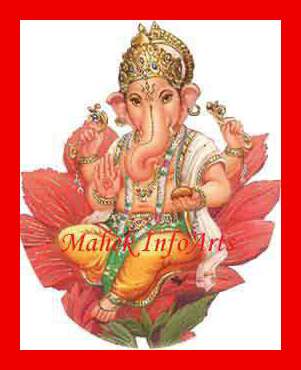
Ganesha worship therefore carries a practical lesson. Before rushing into action, one should pause, listen, assess the situation and use discrimination. This connects naturally with the elephant head, large ears and intelligent, observant expression traditionally shown in his iconography.
Ganesha as the Deity of Wisdom and Discrimination
Ganesha is traditionally associated with buddhi, intelligence and discernment. Wisdom is not merely the accumulation of information; it is the ability to distinguish what is useful, timely, ethical and appropriate. His elephant form is therefore interpreted as a reminder to cultivate a broad mind while remaining attentive to detail.
The broken tusk is especially rich in traditional symbolism. It is associated with sacrifice and knowledge, and the original Astroshastra discussion connects it with the teaching that wisdom should guide emotion. This makes Ganesha particularly meaningful for students, teachers, writers, artists and anyone engaged in learning.
Why Ganesha Is Invoked Before New Beginnings
Ganesha is traditionally remembered before a journey, ceremony, business venture, agreement or other important beginning. The practice establishes an auspicious psychological and spiritual starting point. It encourages devotees to seek clarity before action and to approach the new chapter with respect and humility.
This tradition explains why Ganesha is often present at the beginning of Puja rituals. The first remembrance symbolically prepares the mind and environment for the worship that follows.
Ganesha, Education, Learning and the Fine Arts
Ganesha is revered as a deity of education, knowledge, wisdom, literature and the fine arts. His large ears encourage attentive listening, while his head represents a capacity for understanding. His symbolism is consequently meaningful for students preparing for examinations as well as for teachers, writers, musicians, artists and researchers.
Devotional practices such as reciting a Ganesha mantra may be incorporated into a person's routine as a way of beginning study with concentration and a positive intention.
Ganesha and Business Success
Businesspeople traditionally invoke Ganesha before starting a new enterprise, signing an important agreement or beginning a significant commercial activity. In this context, his blessings are associated with auspicious beginnings, intelligent decision-making and the removal of hurdles.
The deeper lesson is equally important: prosperity should be guided by discernment. A successful beginning is strengthened by planning, listening, ethical conduct and the willingness to learn from experience.
Ganesha in Home Worship
Ganesha is widely worshipped in homes as a beloved and auspicious deity. The original Astroshastra article specifically discusses the traditional preference for the left-curved trunk form in home worship. Devotees may maintain a clean Puja space and approach worship with devotion, discipline and sincerity.
The presence of Ganesha in a home can also serve as a daily reminder of the qualities represented by his form: wisdom, humility, contentment, patience, discrimination and the courage to overcome difficulties.
Ganesh Chaturthi and Festival Consciousness
Ganesh Chaturthi brings Ganesha worship into a powerful communal and festive setting. The installation of the idol, devotional chanting, offerings and eventual Visarjan create a cycle of arrival, worship and symbolic return.
The festival can also be understood as an opportunity to renew one's relationship with the qualities Ganesha represents. The celebration is not only about ritual; it can become a reminder to remove inner obstacles, cultivate wisdom and begin again with a clear intention.
Living the Symbolism of Lord Ganesha
The most enduring value of Ganesha's iconography is that every part of the form can be approached as a teaching. Listen more carefully. Think before acting. Use wisdom to guide emotion. Remain humble even when success grows. Accept life's experiences without losing balance. Cut unnecessary attachments while preserving compassion.
In this way, Lord Ganesha becomes more than a figure invoked at the beginning of a ceremony. He becomes a symbolic guide for approaching new opportunities, learning from obstacles and building a life in which wisdom and action work together.