


Things You Should Avoid During Shravan Maas | Important Dos and Don'ts in Sawan
Discover the important things to avoid during Shravan Maas according to Hindu traditions. Learn the spiritual significan...
Read More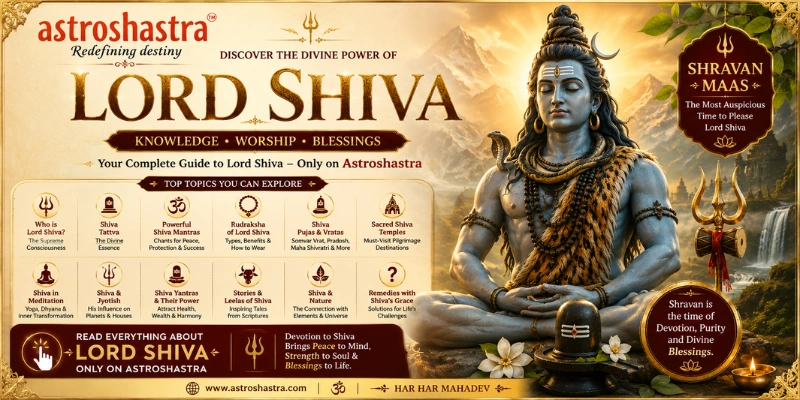
Discover everything about Lord Shiva, Mahadev, Rudra and the many forms and traditions associated with Shiva worship. Explore Shiva's significance in Hinduism, his sacred symbols, Shiva Lingam, 108 Names of Shiva, 12 Jyotirlingas, Shiva Mantras, Shravan Maas, Sawan Somwar, Rudraksha, Shiva Puja, Mahamrityunjaya practices, Shiva Yantra and traditional Shiva remedies.
Welcome to the Astroshastra Lord Shiva Knowledge Hub. Explore Shiva mythology, sacred names, Jyotirlingas, worship traditions, mantras, Rudraksha, Shravan Maas, spiritual practices and traditional remedies.
Lord Shiva, also known as Mahadev, Shankara, Rudra, Maheshwara, Neelkanth and Pashupati, is one of the most revered deities in Hindu tradition. Shiva is associated with spiritual consciousness, meditation, transformation, dissolution and liberation.
The word Shiva is traditionally associated with auspiciousness and benevolence. Although Shiva is commonly described as the destroyer within the Hindu Trinity, this description does not simply mean destruction in a negative sense. Shiva represents the dissolution of that which has completed its purpose and the transformation that allows a new cycle to begin.
Lord Shiva is worshipped in many forms. He is the meditating Yogi, the compassionate Mahadev, the cosmic dancer Nataraja, the powerful Rudra, the blue-throated Neelkanth and the inseparable consort of Goddess Parvati.
Lord Shiva represents the movement from ignorance to awareness, from attachment to detachment and from limitation to spiritual consciousness. His imagery and stories provide profound spiritual symbolism within Hindu tradition.
Lord Shiva occupies an important place in Hindu philosophy, mythology and devotional traditions. He is traditionally regarded as one of the principal manifestations of the Divine and is associated with the cosmic process of dissolution and transformation.
Shiva is unique because he is simultaneously portrayed as an ascetic absorbed in meditation and as a loving family man. His relationship with Goddess Parvati and his sons Lord Ganesha and Lord Kartikeya represents another important dimension of Shiva's personality in Hindu mythology.
Devotees worship Lord Shiva for spiritual growth, inner peace, wisdom, strength, devotion and liberation. Shiva worship may include meditation, mantra chanting, Abhishekam, Shiva Puja, temple visits and devotional observances.
Lord Shiva is known by numerous names, each reflecting a different quality, attribute or manifestation of the Divine. Mahadev, Rudra, Shankara, Shambhu, Neelkanth, Pashupati, Nataraja and Maheshwara are among the many names associated with Shiva.
These names are not merely different titles. In devotional tradition, they help devotees contemplate the different qualities and forms associated with Lord Shiva.
Read the 108 Names of Lord Shiva and their traditional significance →
The Shiva Lingam is one of the most important and widely recognized symbols associated with Lord Shiva. Shiva Lingams are worshipped in temples and homes as a representation of the Divine and the formless principle of Shiva.
The Lingam is traditionally understood as a symbol of the infinite and unmanifest nature of the Divine. Shiva worship through the Lingam therefore represents devotion to the Supreme Reality beyond ordinary physical form.
The worship of Shiva Lingam is commonly accompanied by offerings and Abhishekam according to the traditions followed by the devotee or temple.
One of the most recognizable symbols of Lord Shiva is his third eye. It is traditionally associated with higher perception, spiritual wisdom and the destruction of ignorance.
The third eye represents a level of awareness that goes beyond ordinary physical perception. In Shiva symbolism, opening the third eye represents the awakening of higher consciousness.
Lord Shiva is also known as Neelkanth, meaning the blue-throated one. This name is associated with the traditional story of the churning of the ocean, during which a deadly poison emerged and threatened creation.
According to the traditional account, Shiva consumed the poison to protect the universe and retained it in his throat, which became blue. The story is often understood as a symbol of sacrifice, protection and the ability to contain negativity without allowing it to spread.
Nataraja is the iconic form of Lord Shiva as the cosmic dancer. The Nataraja form represents the dynamic rhythm of existence and the continuous cycle of creation, preservation, transformation and dissolution.
The image of Nataraja is one of the most profound artistic and philosophical representations of Shiva in Indian tradition. It symbolizes the relationship between movement and stillness, creation and dissolution, and the material and spiritual worlds.
Ardhanarishvara represents Lord Shiva and Goddess Shakti as one unified divine form. It symbolizes the inseparable relationship between consciousness and energy.
The form teaches that Shiva and Shakti are complementary principles. Shiva represents consciousness, while Shakti represents the dynamic energy through which consciousness manifests.
Lord Shiva is traditionally revered as Adiyogi, the primordial Yogi. His meditative form represents stillness, discipline, detachment and the inward journey toward higher consciousness.
For spiritual seekers, Shiva's image as the meditating Yogi is a reminder of the importance of self-awareness, meditation and control over the distractions of the material world.
The twelve Jyotirlingas are among the most sacred pilgrimage sites associated with Lord Shiva. The word Jyotirlinga is traditionally interpreted as a luminous or radiant manifestation of Shiva.
The twelve Jyotirlingas are located in different parts of India and are associated with important stories, temples and pilgrimage traditions.
Devotees undertake Jyotirlinga pilgrimage as an expression of faith and devotion to Lord Shiva.
Explore the 12 Jyotirlingas of Lord Shiva →
Shravan Maas, also known as Sawan, holds a special place in the devotional traditions associated with Lord Shiva. The month is traditionally dedicated to prayer, devotion and worship of Mahadev.
Mondays during Shravan Maas are popularly known as Sawan Somwar. Many devotees observe fasting, visit Shiva temples, perform Abhishekam and chant Shiva mantras during this sacred period.
Shravan Maas is therefore an important time for devotees who wish to deepen their spiritual connection with Lord Shiva through prayer and devotional practices.
Read about Month of devotion and worship of Lord Shiva →Mantra chanting is an important part of Shiva worship. One of the best-known Shiva mantras is the Panchakshara mantra, Om Namah Shivaya.
The mantra is traditionally associated with devotion to Shiva and is widely recited during meditation, prayer and worship.
The Mahamrityunjaya Mantra is another highly revered mantra associated with Lord Shiva. It is traditionally recited as a prayer for strength, protection, spiritual well-being and overcoming fear.
Rudraksha has a deep traditional association with Lord Shiva and Rudra. Rudraksha beads are widely used by devotees during prayer, meditation and spiritual practices.
Different Mukhi Rudraksha are traditionally associated with different qualities and spiritual symbolism. Rudraksha malas are also commonly used for mantra chanting.
Shiva Puja is performed in different ways according to regional, family and temple traditions. Common elements of Shiva worship may include offering water, Bilva leaves, flowers, incense and lamps, along with prayer and mantra recitation.
Devotees commonly worship Lord Shiva on Mondays, during Pradosh, Mahashivratri and Shravan Maas. Shiva Abhishekam is another important devotional practice associated with worship of the Shiva Lingam.
The purpose of devotional worship is to cultivate faith, discipline, surrender, inner peace and spiritual awareness.
Yantras are sacred geometric designs used within several Hindu spiritual traditions. The Shiva Yantra is traditionally associated with Shiva worship and meditation.
A Yantra is approached as a sacred symbolic representation and is generally used as part of a broader spiritual practice.
Learn More About Shiva Yantra →
The Mahamrityunjaya tradition is closely associated with Lord Shiva and the Mahamrityunjaya Mantra. The practice is traditionally connected with prayers for strength, courage, protection and well-being.
Explore Mahamrityunjaya Yantra →
Mahamrityunjaya Puja is a traditional Shiva-oriented devotional practice associated with the Mahamrityunjaya Mantra. Devotees may undertake such worship as an expression of prayer, faith and spiritual devotion.
Explore Mahamrityunjaya Puja →
Traditional Shiva remedies are generally devotional practices intended to cultivate faith, discipline and spiritual focus. Depending on one's tradition, these may include chanting Om Namah Shivaya, visiting a Shiva temple, offering water to the Shiva Lingam, offering Bilva leaves, observing Monday worship and performing Shiva-oriented prayers.
Devotees may also observe Pradosh, Mahashivratri and Shravan Maas according to their family or regional traditions. Such practices should be understood as spiritual and devotional traditions rather than guaranteed solutions to worldly problems.
Lord Shiva's family occupies an important place in Hindu mythology. Goddess Parvati is traditionally regarded as his consort, while Lord Ganesha and Lord Kartikeya are revered as their sons.
The Shiva family represents different aspects of divine energy, wisdom, strength, devotion and protection. Their stories form an important part of Hindu religious and cultural traditions.
Lord Shiva is worshipped for many spiritual reasons. Devotees turn to Mahadev for inner peace, strength, wisdom, devotion, detachment and spiritual growth.
Shiva's simple appearance and ascetic nature also represent the idea that spiritual realization does not necessarily depend upon material possessions. His teachings and symbolism encourage devotees to look inward and cultivate awareness.
The many forms of Lord Shiva bring together seemingly opposite qualities: stillness and movement, asceticism and family life, compassion and fierce power, destruction and renewal.
This is what makes Shiva one of the most profound and enduring figures in Hindu spiritual tradition. Mahadev represents the possibility of transformation at both the cosmic and personal level.
From Shiva Lingam worship and Rudraksha to the chanting of Om Namah Shivaya, the pilgrimage to Jyotirlingas and devotion during Shravan Maas, the traditions surrounding Lord Shiva continue to inspire millions of devotees.
From the 108 Names of Shiva and the 12 Jyotirlingas to Shravan Maas, Shiva Mantras, Rudraksha, Shiva Puja, Mahamrityunjaya practices and traditional Shiva remedies, explore the complete Shiva knowledge collection at Astroshastra.
Explore Shiva KnowledgeLord Shiva is one of the most revered deities in Hindu tradition. He is associated with meditation, yoga, transformation, dissolution, spiritual consciousness and liberation.
Mahadev means "Great God" and is one of the most revered names used by devotees for Lord Shiva.
Om Namah Shivaya is one of the most widely known and revered mantras associated with Lord Shiva.
Shravan Maas, also known as Sawan, is traditionally associated with devotion and worship of Lord Shiva. Mondays during this period are popularly known as Sawan Somwar.
The 12 Jyotirlingas are sacred pilgrimage sites traditionally associated with Lord Shiva and revered as important manifestations of Shiva.
Rudraksha has a longstanding traditional association with Rudra and Lord Shiva and is commonly used for prayer, meditation and devotional practices.
The Shiva Lingam is a sacred symbol of Lord Shiva worshipped in temples and homes. It is traditionally understood as a representation of the infinite and formless Divine.
Monday, traditionally known as Somvar, is widely associated with Lord Shiva. Many devotees observe Monday worship, fasting, temple visits and Shiva mantra chanting as devotional practices.
Traditionally associated with Lord Shiva and spiritual consciousness.
A sacred geometric symbol traditionally associated with Lord Shiva worship.
Traditionally associated with the Mahamrityunjaya form of Lord Shiva.
A traditional Shiva worship practice associated with the Mahamrityunjaya Mantra.
Explore the divine energies of Hindu deities and discover their spiritual significance, blessings, mantras, and worship traditions.

Discover the important things to avoid during Shravan Maas according to Hindu traditions. Learn the spiritual significan...
Read More
Discover the most powerful Shiva mantras to chant during Shravan Maas. Learn their meanings, benefits, correct chanting ...
Read More
Discover the significance of Shravan Maas in Hinduism, its spiritual importance, rituals, fasting traditions, Lord Shiva...
Read More
Discover the meaning and spiritual significance of Om Namah Shivaya, one of the most powerful Shiva mantras. Learn its b...
Read More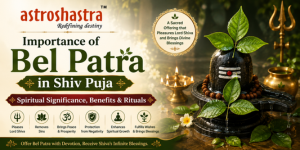
Discover the importance of Bel Patra in Shiv Puja, its spiritual significance, mythological stories, rules for offering ...
Read More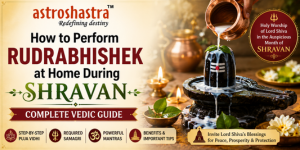
Learn how to perform Rudrabhishek at home during the holy month of Shravan with this complete step-by-step guide. Discov...
Read More