Importance of Child Birth Muhurat | Auspicious Birth Time in Vedic Astrology
Discover the importance of Child Birth Muhurat in Vedic astrology. Learn how Tithi, Nakshatra, Lagna, Panchang and plane...
Read More
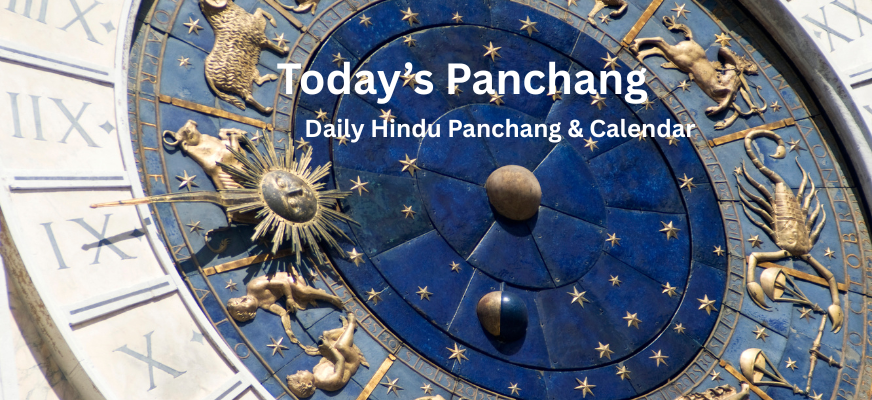
Panchang is one of the most important traditional systems used in Hindu astrology and the Vedic calendar. It provides a detailed view of the day's time elements by considering the movements and relationship of the Sun, Moon and other celestial factors.
By checking Today's Panchang, you can understand the Tithi, Nakshatra, Yoga, Karana, Paksha and other important daily timings. Panchang is also widely consulted while planning religious ceremonies, festivals, fasting, travel, marriage-related activities, business beginnings and other important occasions.
The word Panchang comes from two Sanskrit words: Pancha, meaning five, and Anga, meaning limbs or parts. Panchang therefore refers to the five principal components used to understand the quality and nature of time in the traditional Hindu calendar.
The five primary limbs of Panchang are Tithi, Vara, Nakshatra, Yoga and Karana. Together, these elements provide the foundation for daily Vedic time calculation and are used in Muhurat selection, festivals, religious observances and many traditional astrological practices.
Every day has its own combination of Tithi, Nakshatra, Yoga, Karana and planetary influences. Because these combinations change with time and location, the Panchang of one day may be very different from the Panchang of another day.
Checking the Panchang before beginning an important activity helps you understand the prevailing time quality and identify periods traditionally considered favorable or unfavorable.
Panchang is commonly consulted for:
A complete daily Panchang can contain several important time and calendar indicators. Astroshastra's daily Panchang section brings together the essential information required to understand the day.
Tithi represents the lunar day and is calculated from the angular relationship between the Sun and Moon. There are thirty Tithis in a lunar month, divided between Shukla Paksha and Krishna Paksha. Tithi is an important factor in festivals, fasting, rituals and Muhurat selection.
Nakshatra indicates the lunar constellation through which the Moon is travelling. The traditional Vedic system recognizes twenty-seven principal Nakshatras. Nakshatra is particularly important in Muhurat, birth astrology, compatibility and understanding the nature of a particular day.
Yoga is one of the five limbs of Panchang and is derived from the combined longitudinal positions of the Sun and Moon. The daily Yoga is considered while assessing the overall quality of time and selecting suitable periods for different activities.
Karana represents half of a Tithi and is another important Panchang element used in traditional time selection. Different Karanas have different characteristics and are considered along with Tithi, Nakshatra, Yoga and other factors when determining a suitable Muhurat.
Sunrise and sunset form an important foundation for daily Panchang calculations. Several daily periods, including Rahu Kalam, Yamaganda and Gulika Kalam, are traditionally calculated by dividing the daylight period into specific segments.
Moonrise and Moonset are especially useful for religious observances, fasting, festivals and rituals that depend on the lunar cycle.
The lunar month is broadly divided into two halves. The waxing phase is known as Shukla Paksha, while the waning phase is known as Krishna Paksha.
The Paksha displayed in the daily Panchang helps users understand where the Moon is positioned within the lunar cycle and provides important context for Tithi and festival observances.
Along with the five principal Panchang elements, daily Panchang practice also considers certain time periods that are traditionally treated with caution when starting important activities.
Rahu Kalam is traditionally avoided for beginning important new activities. Yamaganda Kalam is also considered an unfavorable period for new beginnings, while Gulika Kalam has a distinct traditional interpretation and is considered alongside other Panchang factors.
These timings are not fixed clock times throughout the year. Traditional calculations are based on the day's sunrise and sunset, so the actual timing can vary according to location and season.
Panchang has traditionally been used by astrologers, priests and households to understand the quality of time before performing important activities. It is not merely a calendar of dates; it is a system for interpreting the characteristics of time.
Since Panchang elements change from day to day, checking the daily Panchang can provide a useful overview of the day's traditional time indicators before you plan an important activity.
By referring to Today's Panchang, you can:
| Date | October 25, 2026 (Sunday) |
| Month | Kartik |
| Paksha | Shukla |
| Tithi | Dwadashi |
| Nakshatra | Rohini |
| Yoga | Shoola |
| Karana | Balava |
| Rahu Kaal | 16:30 - 18:00 |
These traditional Panchang time periods are useful when planning important activities and understanding the day's time structure.
Traditionally avoided for beginning important new activities.
A traditional period generally avoided for important new beginnings.
A traditional Panchang period interpreted along with other daily factors.
For important activities, Panchang should be viewed as a complete system rather than relying on a single timing indicator.
A general Panchang provides the day's important time indicators, while a personalized Muhurat can consider the purpose of the event, date, location and other astrological factors.
Get Personalized MuhuratUse Astroshastra's dedicated Panchang tools to explore auspicious timings and important daily periods.
Panchang becomes much more useful when its individual components are understood together. Explore the dedicated Astroshastra resources for Tithi, Nakshatra, Karana, Muhurat and other aspects of Vedic time calculation.
You can also explore Panchang in Astrology for a broader explanation of the five limbs of Panchang and their role in Muhurat selection.
To understand Tithi in greater detail, visit Tithi in Astrology .
For planetary movements that can complement your Panchang analysis, explore Today's & Monthly Planetary Transit .
You can also explore the Nakshatras in Astrology section to understand the role of the Moon's Nakshatra in Vedic astrology and Muhurat selection.
Whether you are planning a marriage, business beginning, travel, house ceremony, religious observance or another important event, Today's Panchang gives you a useful starting point for understanding the traditional time factors of the day.
Explore Complete Panchang GuideExplore hand-picked articles related to this topic to deepen your astrological knowledge.
Discover the importance of Child Birth Muhurat in Vedic astrology. Learn how Tithi, Nakshatra, Lagna, Panchang and plane...
Read More
Discover the best Nakshatras for travel abroad according to Vedic Astrology. Learn which Nakshatras are considered auspi...
Read More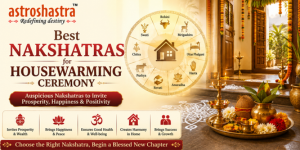
Discover the best Nakshatras for Housewarming Ceremony (Griha Pravesh). Learn which Nakshatras are considered most auspi...
Read More
Discover why Muhurat played a vital role in ancient Indian culture. Learn the spiritual, astronomical, and scientific si...
Read More
Can Muhurat affect the success of an event? Discover how Tithi, Nakshatra, Yoga, Karana, Lagna and planetary influences ...
Read More
Discover the Shubh Muhurat for starting a long-distance journey. Learn how Tithi, Nakshatra, Rahu Kaal, Choghadiya, week...
Read More