










Astrology and Ayurveda Together | Holistic Health Through Vedic Wisdom
Discover how Astrology and Ayurveda work together to promote holistic health. Learn about planetary influences, doshas, ...
Read More


ANAEMIA
In Ayurveda, anaemia is known as pandu. The term anaemia means lack of red blood corpuscles or of haemoglobin. It may be caused by
(1) haemorrhages from the body by injury,
bleeding piles, or bleeding from nose, mouth, lungs, anus genital tract, etc. ,
(2) inadequate supply of blood forming ingredients through food,
(3)destruction of
the blood
corpuscles inside the body after they are formed, and
(4) deficiency in the production of blood because of defective functioning of some organs of the body like stomach,
liver and bone
marrow.
Oxygen is very important for the maintenance and functioning of body cells and this oxygen is carried from the lungs to different parts of the body through the red blood corpuscles.
When blood is deficient the patient suffers from weakness even after a little work and there is evident paleness in the face as well as other parts of the body.
Ayurvedic Treatment for Anaemia: There are different causes for bleeding from different parts the body, and if the anaemia is due to any one of these, then the cause the bleeding is to
be treated first.
For nutritional deficiency, food ingredient containing iron are to be taken. If the pandu roga is caused by the mal¬function of any of the organs or viscera of the body like liver,
stomach and bone-marrow, then the medicine commonly used by expert Ayurvedic physicians is Punarnavadi mandura or Punarnava mandura which contains about 22 ingredients. The most
important ingredient of this formula is mandura which is a by-product of iron-ore and is considered to be rich in
an assimilable form of iron. Various pharmaceutical processes have been prescribed for preparing it in powder or bhasma form and also to make it more assimilable.
Punarnava, the next important drug in this formula, possesses rejuvenat¬ing properties. The viscera or part thereof, the vitiation of which produces anaemia, gets rejuvenated by
the use of this drug. Other drugs included in this formula also stimulate the affected organs and regulate their functions. Some of them increase the appetite of the patient, and thus,
food is properly digested, absorbed and assimilated. This medicine has no toxicity, it can be given even to a healthy man, and it will serve as an elixir.
Normally one gm. of this drug is given four times a day. This should be well mixed with honey or any other suitable syrup and made to the consistency of a linctus and taken.
For children, the dose may be proportion¬ately reduced.
Diet to taken by Anaemia patients: In pandu roga, sour things specially curd, and fried things, which come in the way of the normal functioning of the liver, are prohibited. Green vegetables
are considered to
be useful. Sweets prepared by adding til seeds in a syrup prepared of gur(sugar candy) is considered to be very useful. This is specifically given when the liver function is affected.
The outer husk of til seed contains a lot of iron, and therefore, it should not be removed while preparing sweets.
Other regimens: Pandu roga, according to Ayurveda, is considered to be caused by the vitiation of pitta. Purgation is considered to be the best therapy for
correcting pitta. Therefore,
while treating a case, constipation is corrected in the first instance. In a constipated patient, the medicines mentioned above do not work well. Punarnava mandura, itself,
works as a mild laxative when administered in a large dose. But if the patient remains constipated even thereafter, triphala water is prescribed to be taken every day in the
morning, on an empty stomach.
Apart from the medicine described above, there are many other medi¬cines mentioned in Ayurveda, which are to be given in specific types of
anaemia. Some of these medicines may become a little toxic if not used in the proper dose. In serious cases of anaemia, these drugs are to be used under the proper supervision of
an Ayurvedic physician.
Personalized astrology consultations, predictions and remedies prepared by experienced Vedic astrologers.
Explore hand-picked articles related to this topic to deepen your astrological knowledge.
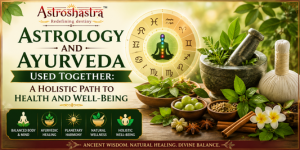
Discover how Astrology and Ayurveda work together to promote holistic health. Learn about planetary influences, doshas, ...
Read More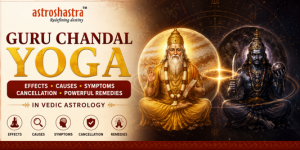
Learn everything about Guru Chandal Yoga in Vedic astrology. Discover its causes, effects on career, marriage, finances,...
Read More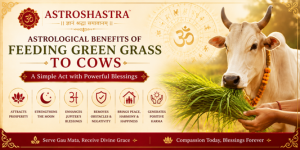
Discover the astrological benefits of feeding green grass to cows. Learn how this simple Vedic remedy helps strengthen p...
Read More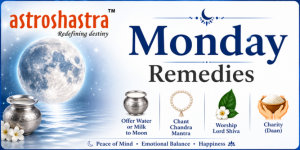
Discover powerful Monday remedies for Planet Moon including Chandra Mantra, Shiva Puja, Pearl, Two Mukhi Rudraksha, Chan...
Read More
Discover powerful Vastu tips for a happy marriage. Learn how bedroom placement, colors, directions, and simple Vastu rem...
Read More
Discover the power of Name Correction in Numerology and how correcting your name spelling can improve success, relations...
Read More