


Lakshmi Ganesh Yantra: Benefits, Puja Vidhi & Significance
Discover the benefits of Lakshmi Ganesh Yantra, its spiritual significance, puja vidhi, placement rules, and how to wors...
Read More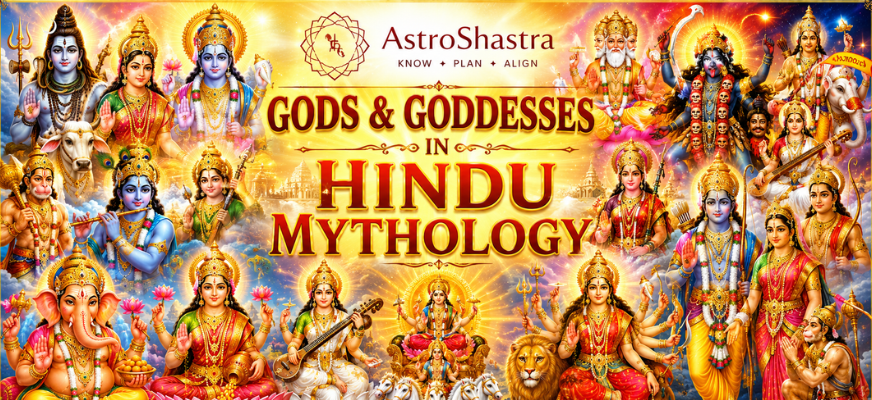
Welcome to the Astroshastra Gods & Goddesses Knowledge Hub. Explore the divine world of Hindu mythology through the stories, symbolism, temples, sacred names, mantras, festivals and traditional worship practices associated with some of the most revered Hindu deities.
This comprehensive guide brings together information about Lord Shiva, Lord Vishnu, Goddess Lakshmi, Goddess Durga, Lord Ganesha, Lord Hanuman and other important divine manifestations. You can also explore dedicated Astroshastra pages covering temples, Aartis, Chalisas, Mantras, Rudraksha, Yantras, sacred idols and traditional Puja practices.
Hindu mythology represents one of the world's richest and most enduring spiritual traditions. Its sacred literature contains stories of divine beings, cosmic creation, avatars, sages, devotion, dharma, karma and the eternal relationship between the individual soul and universal consciousness.
Hindu Gods and Goddesses are not merely characters in ancient stories. They are deeply connected with daily worship, festivals, temples, meditation, mantra chanting, astrology, spiritual practices and personal devotion. Different deities are traditionally associated with qualities such as wisdom, prosperity, protection, courage, devotion, knowledge, transformation and spiritual awakening.
From the transformative power of Lord Shiva to the prosperity associated with Goddess Lakshmi , from the protective strength of Goddess Durga to the wisdom and auspicious beginnings represented by Lord Ganesha , Hindu traditions provide a vast spiritual framework for understanding life, duty, devotion and inner transformation.
This page serves as a central resource for exploring the major Hindu Gods and Goddesses, their stories, symbols, temples, sacred names, mantras, festivals and traditional spiritual significance.
Begin your journey with the major deities featured on Astroshastra and explore their dedicated spiritual resources.
Hindu mythology is preserved through a vast body of sacred literature and oral traditions. These texts and traditions describe creation, cosmic principles, divine manifestations, spiritual teachings, legendary kings, sages, avatars and the eternal struggle between dharma and adharma.
Important Hindu scriptures and sacred texts associated with these traditions include:
These traditions describe divine beings, cosmic events, creation stories, celestial worlds, incarnations, demons, sages and profound philosophical teachings that form an important part of Sanatan Dharma.
In many Hindu philosophical traditions, the different forms of the Divine are understood in relation to the supreme universal reality known as Brahman. The many names and forms provide different ways for devotees to approach the Divine according to their faith, tradition and spiritual path.
The concept of the Trimurti represents three major cosmic functions traditionally associated with Brahma, Vishnu and Shiva – creation, preservation and transformation.
Lord Brahma is traditionally regarded as the creator associated with the manifestation of the universe. He is commonly depicted with four heads, symbolising knowledge, wisdom, the Vedas and universal awareness.
Although Brahma occupies an important place in Hindu cosmological traditions, temples dedicated exclusively to him are relatively rare compared with those dedicated to other major deities.
Lord Vishnu is traditionally associated with the preservation and protection of the universe. Hindu traditions describe Vishnu taking different avatars when dharma needs to be restored and cosmic balance needs to be protected.
Vishnu is traditionally worshipped in connection with protection, compassion, stability, righteousness and preservation of dharma.
Lord Shiva is one of the most revered deities in Hindu traditions and is known by many sacred names including Mahadev, Rudra, Neelkanth, Bholenath and Shankara. Shiva is traditionally associated with transformation, meditation, detachment, spiritual consciousness and transcendence.
Shiva's iconography carries profound symbolic meaning. His Trishul, Damru, crescent Moon, Third Eye, matted hair and Shiva Lingam are among the best-known symbols associated with Mahadev.
Shiva represents the journey from external attachment toward inner awareness. His form as the meditating yogi makes him an important symbol of meditation, self-realisation, spiritual discipline and liberation.
Discover Astroshastra's detailed resources on Lord Shiva, Jyotirlingas, sacred names, Shravan, Aarti, Chalisa, Rudraksha, Yantras, Puja and Shiva-related spiritual products.
The divine feminine is traditionally expressed through the concept of Shakti. Hindu Goddesses represent different forms of divine power and are associated with qualities including wisdom, prosperity, courage, compassion, protection, creativity and spiritual strength.
Goddess Lakshmi is traditionally associated with wealth, prosperity, abundance, fortune, beauty and auspiciousness. She is especially worshipped during Diwali and other important occasions connected with prosperity and household well-being.
Famous Ancient Temples of Goddess Lakshmi
1008 Names of Goddess Lakshmi – Lakshmi Sahasranamavali
Birth of Kaamdev – Story of Birth of Kama
Goddess Lakshmi Mantras
Parad Lakshmi Idols
Crystal Lakshmi Idols
Lakshmi Ji Ki Aarti
Lakshmi Chalisa
Goddess Lakshmi Idols in Brass, Crystal and Parad
Seven Mukhi Rudraksha
Maha Lakshmi Yantra
Maha Lakshmi Kuber Yantra
Sampoorn Mahalakshmi Yantra
Lakshmi Narayan Yantra
Ashtalakshmi Sukta Yantra
Shree Yantra
Kamla Yantra
Srimahalakshmi Samput Yantra
Shubh Labh Yantra
Vyaparvridhi Lakshmi Yantra
Lakshmi Ganesh Rudraksha Pendant
Cats Eye Gemstone
Lakshmi Narayan Rudraksha Pendant
Mahalakshmi Rudraksha Pendant
Mahalakshmi Mala
How to Please Goddess Lakshmi
Lakshmi Ganesh Rudraksha Mala
Heera Shankh
Lakshmi Padukaye
Lakshmi Narayan Puja
Maha Lakshmi Puja
Mahalakshmi Homa
Wealth Attraction Oil
Crystal Shree Yantra
Goddess Saraswati represents knowledge, wisdom, education, music, arts, learning and creativity. She is traditionally worshipped by students, teachers, musicians, artists, scholars and spiritual seekers.
Goddess Durga symbolises divine strength, courage, protection and the triumph of good over evil. She is traditionally associated with the victory over Mahishasura and is especially worshipped during Navratri.
Devotees traditionally seek the blessings of Durga for courage, protection, strength, confidence and fearlessness.
Famous Ancient Temples of Goddess Durga
108 Names of Goddess Durga – Durga Sahasranamavali
Goddess Durga Mantras
Parad Durga Idols
Crystal Durga Idols
Durga Ji Ki Aarti
Durga Chalisa
Goddess Durga Idols in Brass, Crystal and Parad
Nine Mukhi Rudraksha
Durga Yantra
Siddh Durga Mala for Protection
Cats Eye Gemstone
Navdurga Shakti Rudraksha Pendant
Durga Bisa Yantra
Navratri
Remedies to be Done During Navratri
Goddess Kali is one of the powerful forms of Shakti. She is traditionally associated with time, transformation, destruction of ego and liberation from negativity.
Although her iconography can appear fierce, Kali is also revered as a protective mother whose divine power represents transformation, courage and freedom from limitations.
Lord Ganesha is one of the most beloved and widely worshipped Hindu deities. He is traditionally worshipped before important beginnings such as businesses, marriages, journeys, educational pursuits and religious ceremonies.
Ganesha represents wisdom, intelligence, success, auspicious beginnings and the removal of obstacles. His elephant head is traditionally interpreted as a symbol of wisdom, expanded awareness and intelligence.
Famous Ancient Temples of Lord Ganesha
108 Names of Lord Ganesha – Ganesh Sahasranamavali
Why We Should Not See the Moon on Ganesha Chaturthi?
Lord Ganesha Mantras
Why Worship Left-Curved Trunk Ganesha?
Ganesh Ji Ki Aarti
Ganesh Chalisa
Ganesha Idols in Brass, Crystal and Parad
Eight Mukhi Rudraksha
Ganesh Yantra
Rudraksha Ganesh Pendant
Shakti Pendant
Vinayak Rudraksha Pendant
Lakshmi Ganpati Pendant
Mahaganpati Homam
Gauri Ganesh Sadhana for Progeny
Shvetark Ganpati
Lord Hanuman is revered as an embodiment of devotion, courage, strength, service and spiritual determination. He is one of the central figures of the Ramayana and is traditionally celebrated for his unwavering devotion to Lord Rama.
Hanuman represents the power that emerges from sincere devotion, disciplined action and faith. Devotees traditionally turn toward Hanuman worship for courage, protection, strength and the ability to overcome fear and obstacles.
The recitation of the Hanuman Chalisa is an important devotional practice followed by many devotees.
The concept of the avatar is an important feature of Hindu traditions. An avatar is traditionally understood as a divine manifestation or incarnation associated with restoring dharma and cosmic balance.
Vishnu is especially associated with the avatar tradition. Some of the most widely known manifestations include:
The stories of these avatars contain lessons about dharma, courage, devotion, righteousness and the restoration of balance.
Sacred symbols form an important part of Hindu worship and iconography. They communicate philosophical and spiritual ideas through visual forms that have been preserved across generations.
Om is one of the most sacred symbols and sounds in Hindu traditions and is traditionally associated with universal consciousness and divine vibration.
The lotus is traditionally associated with purity, beauty, spiritual awakening and the ability to remain untouched by surrounding impurities.
The Trishul is one of the most recognisable symbols associated with Lord Shiva and represents divine power and several important philosophical interpretations within Shiva traditions.
The Shiva Lingam occupies a central place in Shiva worship and is traditionally associated with Shiva, cosmic consciousness and divine energy.
The Sudarshan Chakra is traditionally associated with Lord Vishnu and represents divine protection, order and the power associated with preservation of dharma.
Hindu festivals bring sacred stories and devotional traditions into everyday life. Different festivals are associated with particular deities, divine manifestations and spiritual themes.
Hindu Gods and Goddesses are understood in many different ways across Hindu philosophical and devotional traditions. For devotees, they may represent divine personalities, manifestations of the Supreme, cosmic principles or spiritual qualities that can be cultivated within oneself.
Their stories and symbols provide a framework through which people reflect on important qualities of life such as courage, compassion, wisdom, devotion, discipline, prosperity and self-realisation.
Through prayer, meditation, mantra chanting and devotional practice, devotees seek to connect with these spiritual qualities and bring greater awareness into their daily lives.
Hindu mythology continues to influence many aspects of Indian spiritual and cultural life. Its traditions can be seen in temples, festivals, family worship, rituals, meditation, mantra chanting and devotional literature.
Many devotees begin their day with prayers to a chosen deity, perform Puja at home, visit temples or recite sacred mantras as part of their personal spiritual routine.
The divine traditions of Hinduism form a vast spiritual universe containing stories, symbols, sacred names, temples, festivals, mantras and devotional practices. Each deity provides a different doorway into the larger spiritual traditions of Sanatan Dharma.
Whether you are looking for information about Lord Shiva, Lord Vishnu, Goddess Lakshmi, Goddess Durga, Lord Ganesha or Lord Hanuman, Astroshastra provides dedicated resources to help you explore their mythology, worship traditions, temples, sacred names, mantras, Aartis, Chalisas, Rudraksha and Yantras.
Use this page as your starting point and explore the individual deity resources linked throughout the guide. From the 12 Jyotirlingas and Shiva temples to the 108 names of Ganesha, Durga and Shiva, from Lakshmi mantras and Yantras to traditional Rudraksha and Puja practices, Astroshastra brings these resources together in one convenient knowledge hub.
Explore sacred names, temples, mantras, Aartis, Chalisas, festivals, Rudraksha, Yantras and traditional worship practices dedicated to the divine forms revered in Hindu traditions.
Explore Lord ShivaExplore the divine energies of Hindu deities and discover their spiritual significance, blessings, mantras, and worship traditions.
.png)
Discover the benefits of Lakshmi Ganesh Yantra, its spiritual significance, puja vidhi, placement rules, and how to wors...
Read More
Discover the significance of Anant Chaturdashi, its Vrat and Puja Vidhi, Anant Sutra tradition, Lord Vishnu Mantra, ritu...
Read More
Learn about Parsva Ekadashi, its spiritual significance, Vrat Vidhi, Puja rituals, Lord Vishnu Mantra, Parana, Ekadashi ...
Read More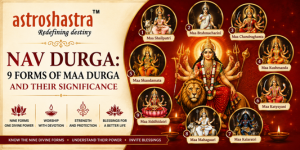
Discover the 9 forms of Maa Durga, known as Nav Durga or Navadurga, and learn their names, symbolism, spiritual signific...
Read More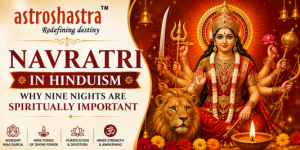
Discover the spiritual significance of Navratri in Hinduism, the nine forms of Maa Durga, Navadurga worship, fasting, Ka...
Read More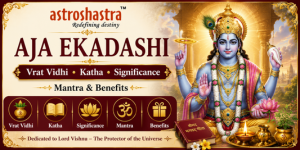
Learn about Aja Ekadashi, its religious significance, Vrat Vidhi, Puja rituals, Aja Ekadashi Vrat Katha, Lord Vishnu Man...
Read More